Table of Contents
- Why Bright White Light Isn't Always the Best Choice
- Red Light: Preserving Night Vision
- Green Light (555nm): The Ultimate Visibility Signal
- Conclusion: Smart Lighting for Rural Safety
- Frequently Asked Questions (FAQ)
The British countryside is renowned for its picturesque landscapes, winding lanes, and rolling hills. However, for those who live in rural areas or enjoy evening excursions, these same roads present a significant safety challenge once the sun sets. According to road safety data, rural roads in the UK are disproportionately dangerous for pedestrians and cyclists, primarily due to a total lack of street lighting, narrow verges, and high speed limits.
For the dedicated dog walker or the rural commuter, navigating these "dark zones" requires more than just a basic torch. It requires a strategic approach to illumination that balances personal visibility, navigational clarity, and the biological needs of both humans and animals. Understanding the science behind light spectrums—specifically red and green light—is becoming essential for anyone traversing the unlit corridors of the UK.
The traditional "high-lumen" approach is often counterproductive. While powerful white light is excellent for searching open fields, it can be detrimental on a narrow B-road. This guide explores why a multi-coloured approach, spearheaded by the Oclip Pro S, is the professional standard for nighttime safety in the British countryside.
Why Bright White Light Isn't Always the Best Choice
When searching for a reliable dog walking torch, many users instinctively prioritise the highest lumen count. However, high-intensity white light has several drawbacks in a rural UK setting.
Firstly, "backscatter" or glare poses a major issue. In the frequent British mist, rain, or fog, a powerful white beam reflects off water droplets, creating a "wall of white" that obscures vision. Secondly, white light causes rapid pupil constriction. When you look away from the beam, you experience "night blindness" as your eyes struggle to readjust to the darkness.
Furthermore, on narrow lanes, an overly bright light can dazzle oncoming drivers. Professional walkers are now opting for "low-impact" lighting that provides sufficient visibility without destroying natural night vision or creating hazards for road users.
Red Light: Preserving Night Vision (and not blinding the dog)
A critical component of a professional red light torch is its ability to protect "dark adaptation." Our eyes use a protein called rhodopsin to see in low-light conditions. High-intensity white and blue light bleaches this protein instantly, whereas red light—at the long-wavelength end of the spectrum—has a much lower impact.
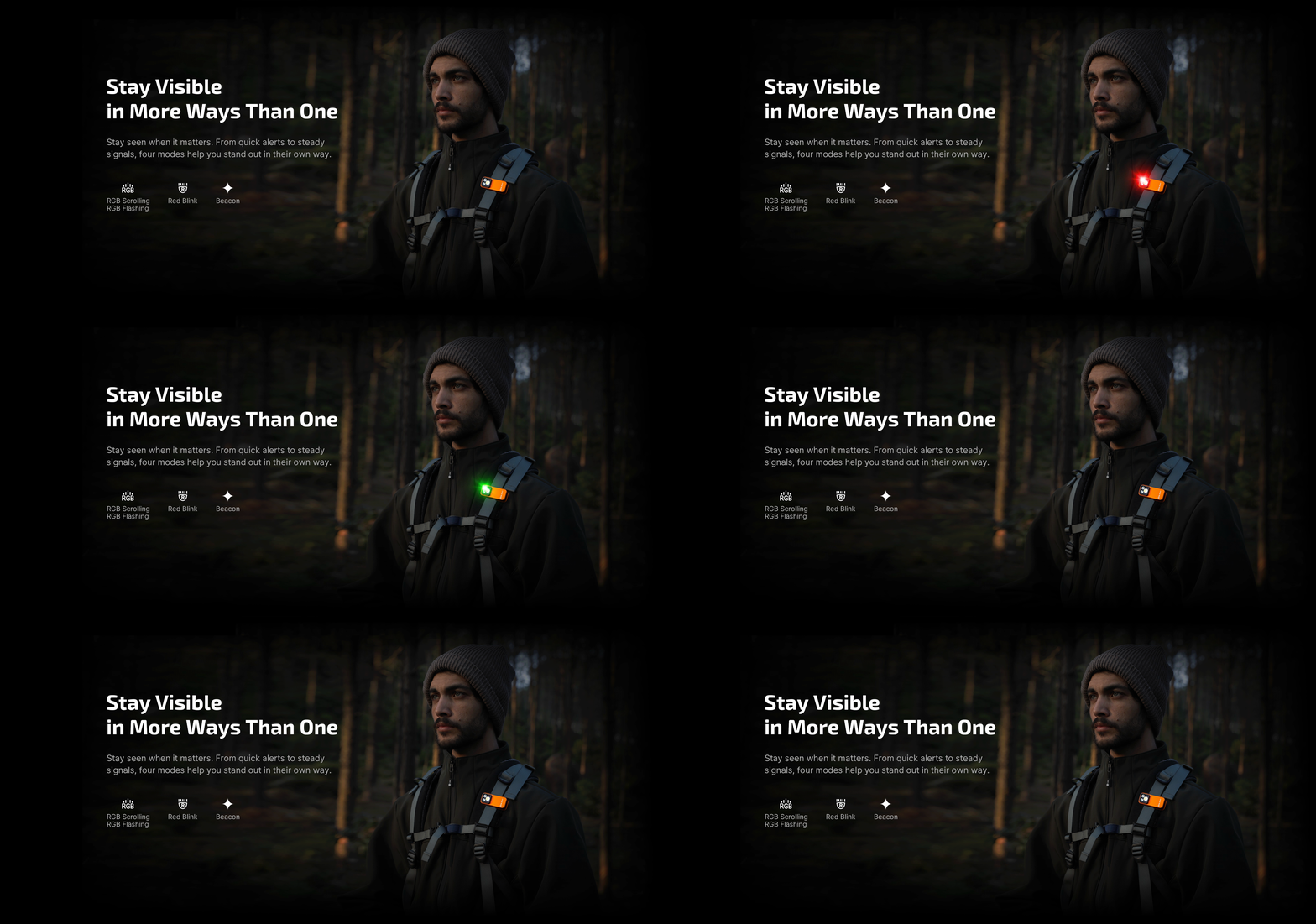
For dog owners, red light is particularly advantageous. Dogs are more sensitive to light than humans; a bright white beam near their face can be disorienting. Using a red light setting allows you to check on your pet or clear up after them without causing discomfort, keeping your peripheral vision intact to spot movement in the hedges.
Green Light (555nm): The Ultimate Visibility Signal
While red light helps you see, green light ensures others see you. The human eye is most sensitive to light at approximately 555 nanometres (nm), which falls squarely in the green spectrum. Even in low-light conditions, our eyes remain remarkably sensitive to green wavelengths.
When walking on the shoulder of a dark A-road, you need a light that cuts through visual noise. Green light is perceived as more "alerting" at lower power levels, meaning a green signal can be seen from a significantly greater distance by motorists than a red light of the same wattage.
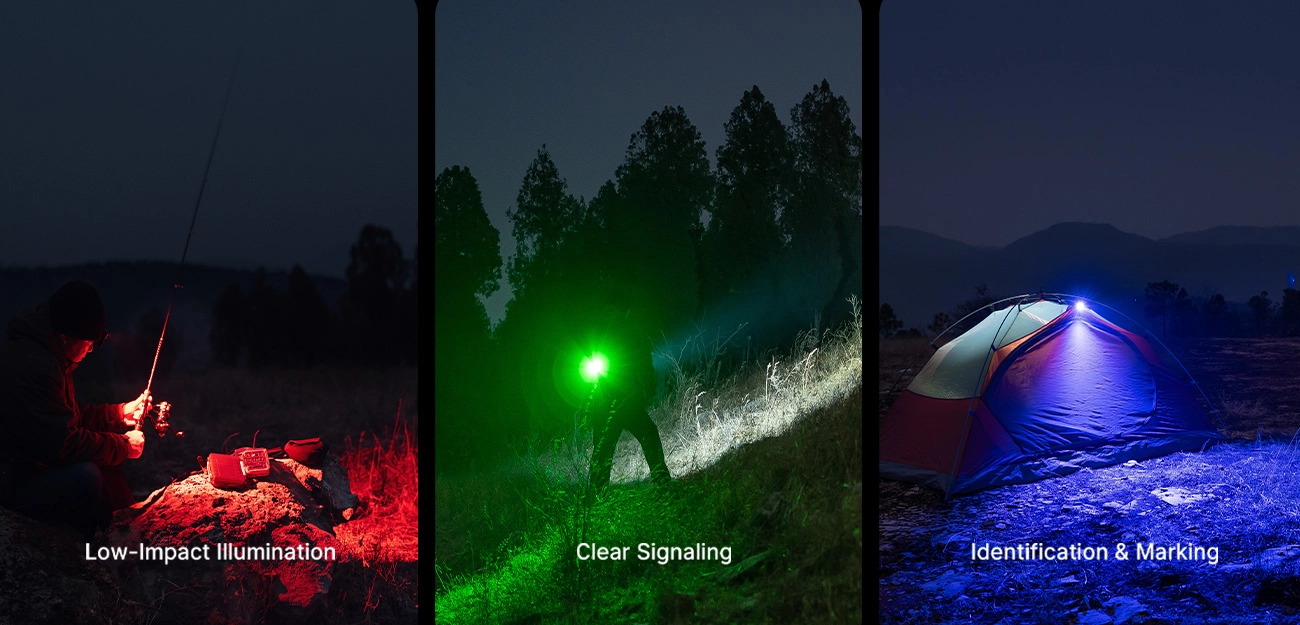
Using a green light mode as a beacon provides a "safety bubble," signalling your presence to oncoming traffic with maximum efficiency. The Oclip Pro S features a dedicated green light mode, providing unparalleled safety for rural residents sharing roads with vehicles.
Get All Colours in One: The 53g Oclip Pro S
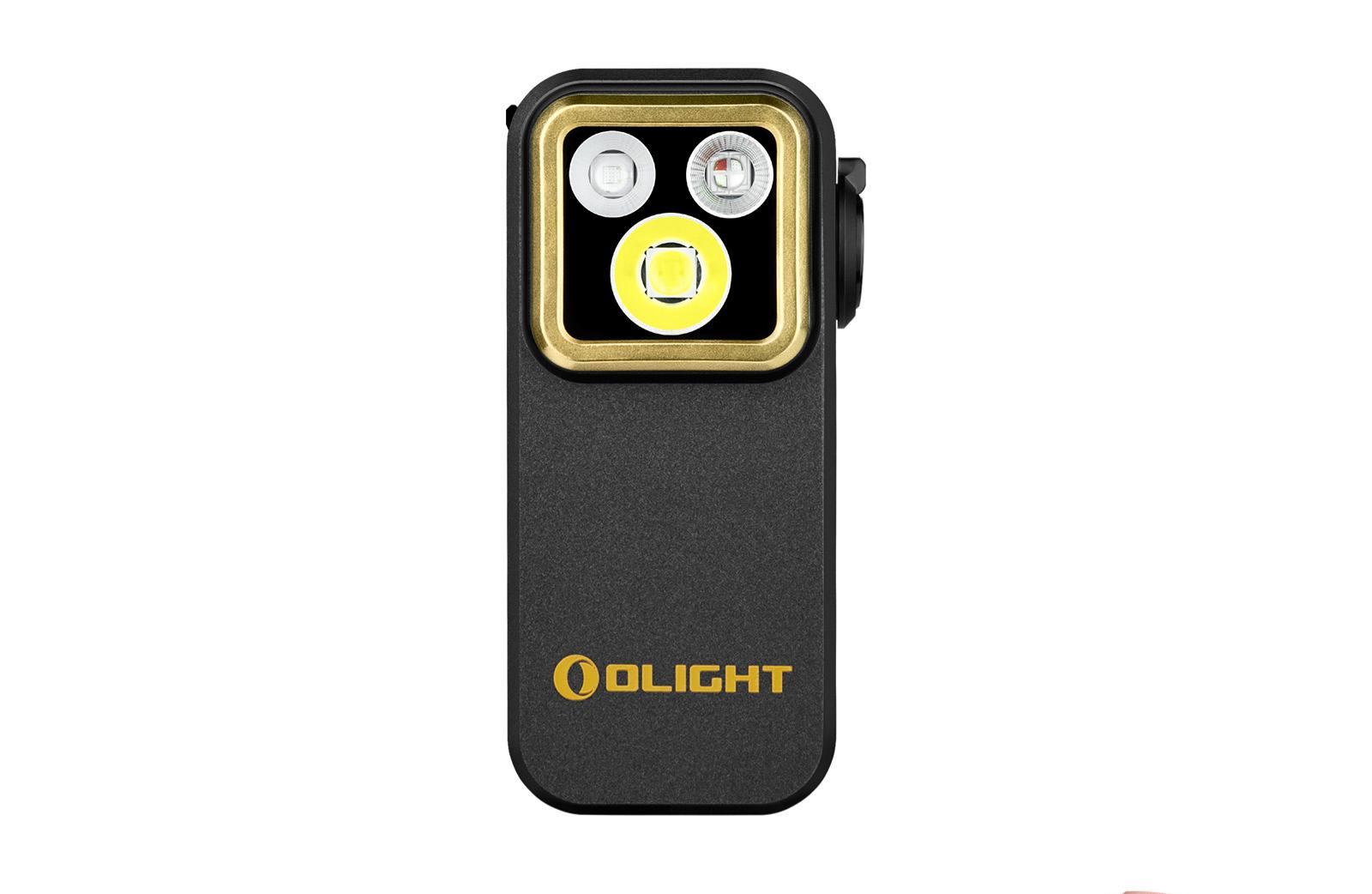
Oclip Pro S 5-in-1 Clip Torch
The ultimate hands-free safety light featuring RGB modes (White, Red, Green, Blue) and an incredible 144-hour runtime.
- 600 Lumens Max Output
- Strong 14mm Magnetic Clip
- IPX6 Waterproof Rating
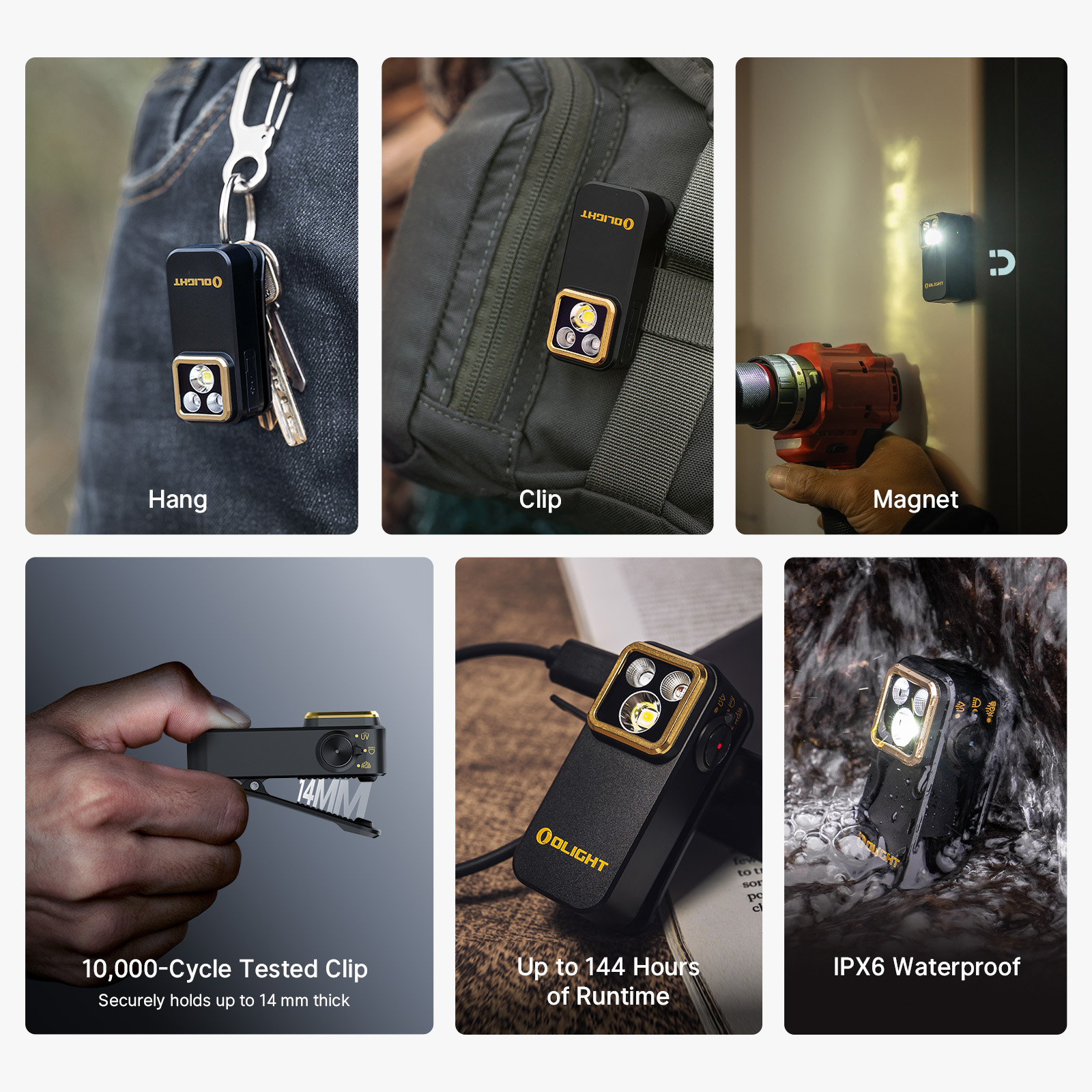
Olight has solved the need for multiple devices with the Oclip Pro S, a professional-grade 5-in-1 clip torch weighing just 53 grams. It is designed for hands-free use during dog walking or hiking.
Key Features for UK Rural Safety:
- RGB Functionality: High-visibility green for road safety, red for night vision, and blue for signalling.
- Ultra-Lightweight: At 53g, it won't sag on lightweight waterproof jackets.
- IPX6 Waterproof: Built to survive unpredictable British weather and heavy downpours.
- Extended Runtime: Up to 144 hours of runtime ensures you are never left in the dark.
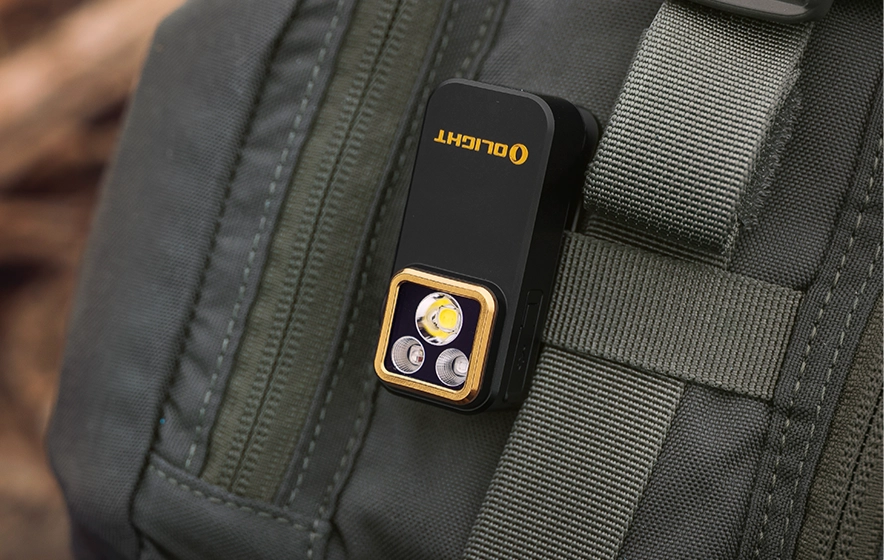
- Versatile Mounting: Strong 14mm clip and magnetic base for hands-free convenience.
The Oclip Pro S represents a shift toward intelligent lighting. It provides white light for pathfinding (up to 600 lumens), red light for pet comfort, and green light to remain visible to traffic.
Conclusion
Safety on unlit British roads requires smart choices. By utilising red light to preserve your vision and green light to maximise your visibility to drivers, you create a safer environment for yourself and your dog. The Oclip Pro S is the ideal, multi-functional tool for this mission, ensuring you are never invisible in the dark.
FAQ
Does green light attract fewer midges or bugs?
Yes. Insects are generally less attracted to red and green light compared to the bright white/blue light of standard torches.
Is red light better for my dog?
Yes, red light is softer on a dog's sensitive eyes and helps prevent disorientation in pitch-black environments.
How do I charge the Oclip Pro S?
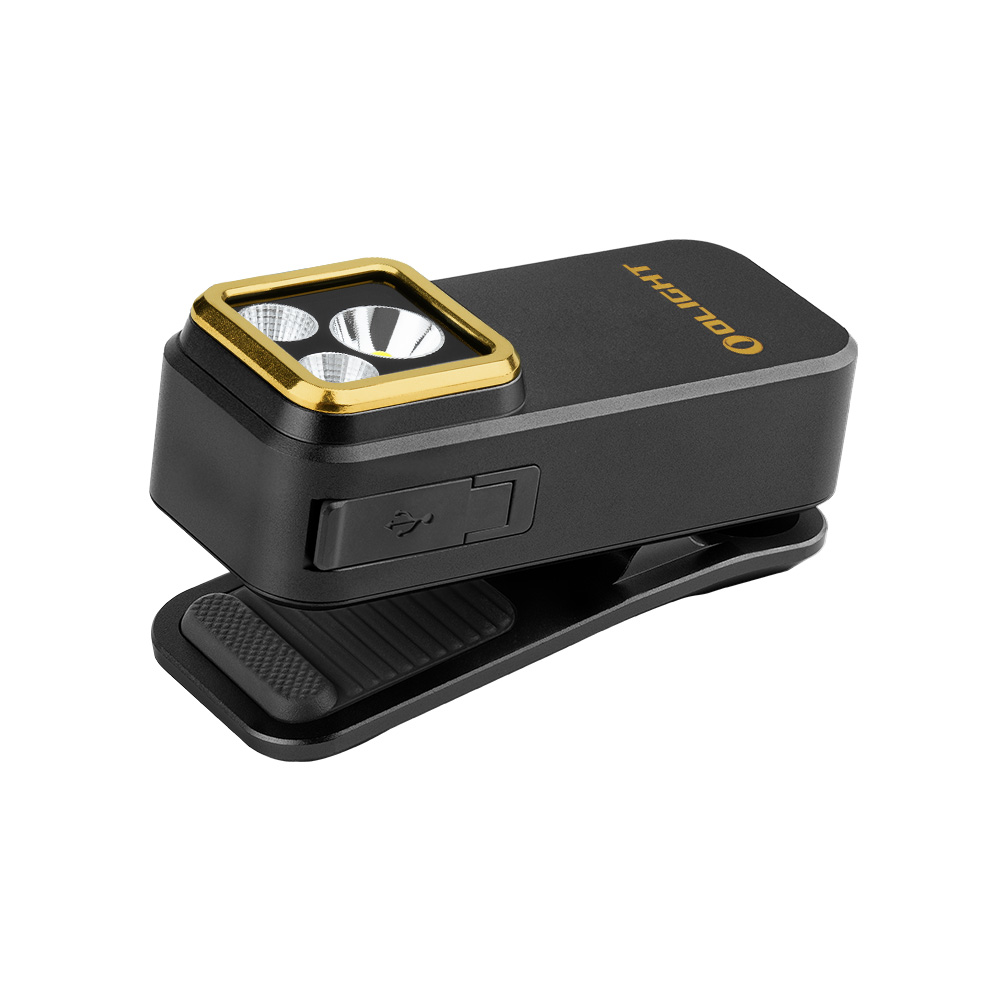
It features a built-in USB-C charging port for fast and convenient power-ups.
Is the clip strong enough for running?
Absolutely. The 14mm clip is engineered to remain secure on hats, straps, and belts even during vigorous outdoor activity.