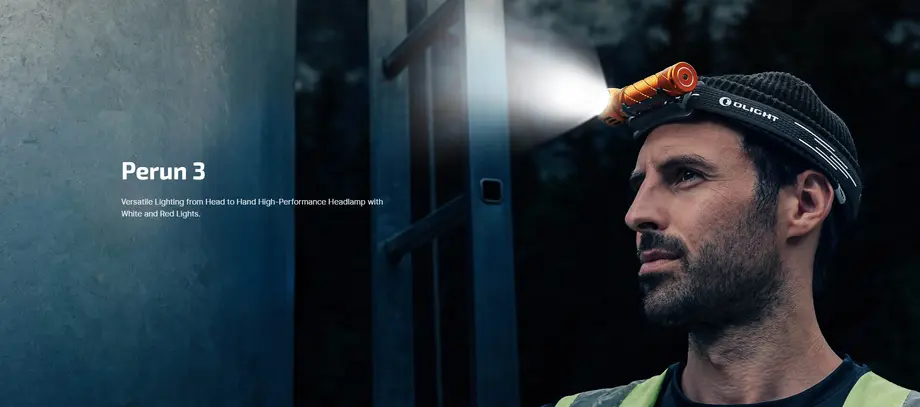
TL;DR:
Navigating the demanding British landscape requires a professional head torch uk tailored for winter darkness and high-humidity conditions. This guide analyzes technical standards including IP68 waterproofing, high CRI for accurate navigation, and rechargeable efficiency. Featuring elite led head torch models like the Olight Perun 3, we explore how to maintain situational awareness in rain and fog, ensuring absolute reliability for fell running, agricultural work, and emergency wilderness preparedness in the UK.
Navigating the dark, damp trails of the UK requires reliable illumination that transcends basic consumer-grade equipment. A high-quality head torch uk is not just a convenience; it is a critical safety tool designed to withstand the brutal maritime climate of the British Isles. Whether you are fell running in the rugged peaks of the Lake District, managing a remote farm in the wind-swept valleys of Wales, or walking your dog through a rainy winter evening in the Scottish Highlands, selecting the best led head torch determines the success and safety of your outdoor activities. In the wilderness, photons are your primary sensor for identifying path hazards, locating safe footholds, and maintaining psychological stability in intense isolation. Without adequate hands-free lighting, a minor route-finding error can rapidly escalate into a severe mountain rescue scenario, making professional-grade optical engineering an absolute priority for winter trail exploration.
This comprehensive guide breaks down the essential technical criteria for selecting the best head torch uk, reviews top-tier options such as the Perun series, and addresses common real-world challenges faced by outdoor enthusiasts. We delve into the physics of beam penetration in thick fog, the chemistry of cold-weather battery management, and the ergonomics of long-duration wear in high-humidity environments. By understanding these technical variables, you can confidently choose a lighting tool that will never leave you stranded in the dark, ensuring your outdoor winter adventures remain safe, predictable, and thoroughly illuminated.
M Navigation of the Technical Guide
1. Why UK Users Need a Proper Head Torch (Not Just a Phone Light)
A smartphone flashlight provides basic emergency light, but it fails completely in active outdoor scenarios. The LED in a phone is an uncollimated floodlight with no effective throw, designed for photography rather than active navigation. True British conditions demand dedicated, hands-free lighting gear engineered to withstand the specific atmospheric pressures, sudden downpours, and ergonomic challenges of the diverse UK landscape.
The Dark Reality of British Winter (Sunset at 15:50)
During the peak of winter in the UK, daylight is incredibly brief. In northern areas and Scotland, darkness sets in before 16:00, catching unprepared hikers by surprise. If you enjoy hiking, trail running, or working outdoors, a large portion of your daily activity will inevitably occur in pitch-black conditions. Relying on a handheld flashlight or phone light limits your physical mobility and drains your primary communication device battery rapidly in cold temperatures—a phenomenon known as "Voltage Sag" where cold electrolytes struggle to flow within the battery cells. A dedicated head torch uk ensures you have hours of reliable, hands-free light, keeping your phone battery saved exclusively for emergencies and navigation coordinates.
Hands-Free Advantage in Rain, Fog & Farm Work
When heavy rain, dense mist, or thick fog rolls across the hills, you need both hands free to navigate safely. This is the "Tactical Symmetry" of outdoor survival. Using trekking poles, checking physical maps, climbing over slippery wet stiles, or handling complex farm tools requires complete freedom of movement. A robust head torch projects light exactly where you look, illuminating path hazards, deep mud, and uneven terrain while allowing your hands to manage balance and physical tasks. In fog, the alignment of the light source near your eyes (but slightly offset) is critical to reducing "Backscatter"—where light reflects off water droplets and blinds you, a problem minimized by well-engineered lenses that project structured, glare-reducing beams.
2. How to Choose the Right Head Torch: 6 Key Buying Criteria
Choosing the best led head torch requires looking past high-lumen marketing claims. You must evaluate the "Photonic Logic" of the device—how it manages energy, controls heat dissipation, and shapes the light beam for maximum practical utility under challenging weather conditions.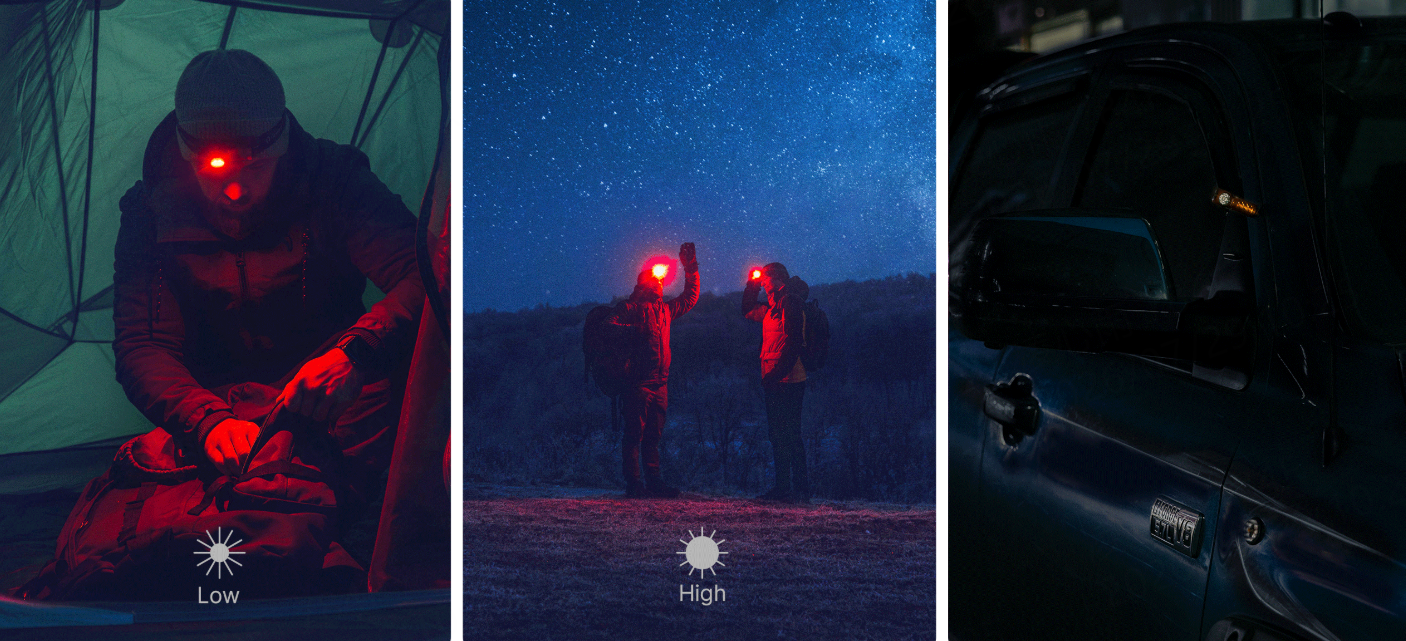
Lumens vs. Candela vs. Beam Distance
Many buyers assume more lumens always mean a better light. In reality, lumens measure the total radiant flux (volume of light produced), whereas Candela measures intensity in a specific direction. In the UK's high-moisture air, a high-lumen light with low candela creates a "blinding wall" of glare in front of your face. You need a balanced "Throw-to-Flood" ratio to illuminate both your immediate footsteps and the distant trail markers.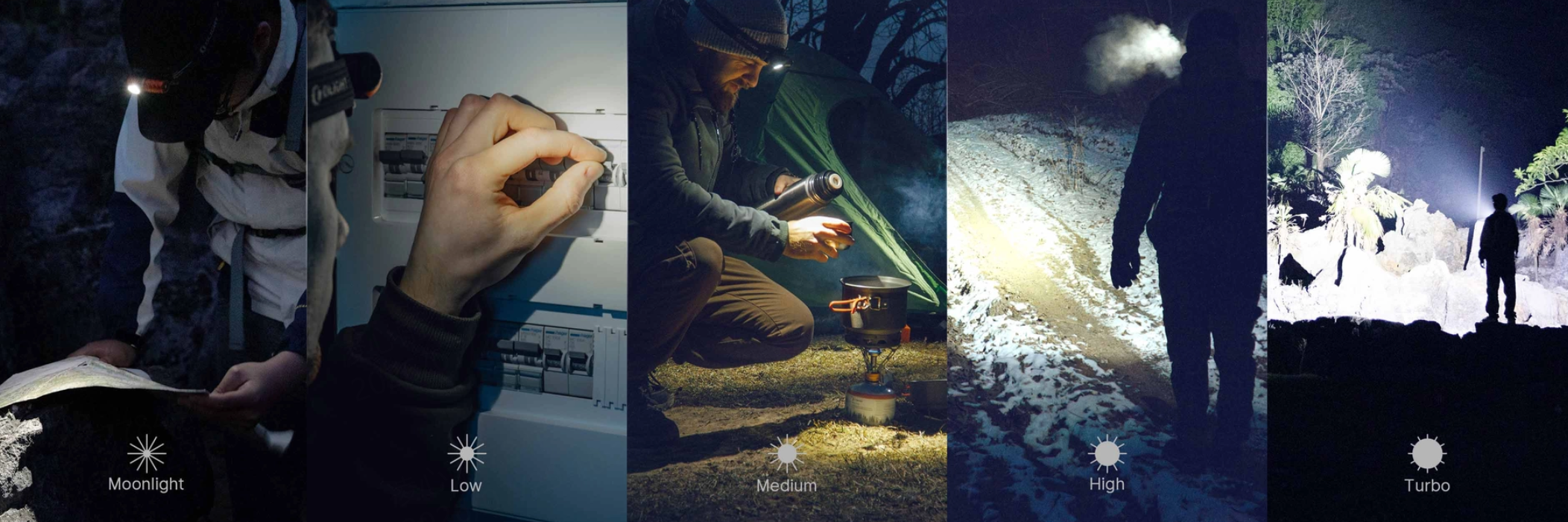
- IPX8 Weatherproofing: The British weather is relentlessly damp and unpredictable. An IPX4 rating is barely enough for a light drizzle. Professional rechargeable head torches should be IPX6 (heavy water jets) or IPX8/IP68 (complete immersion), ensuring that the battery chamber remains a dry environment even in a Welsh bog or Scottish storm.
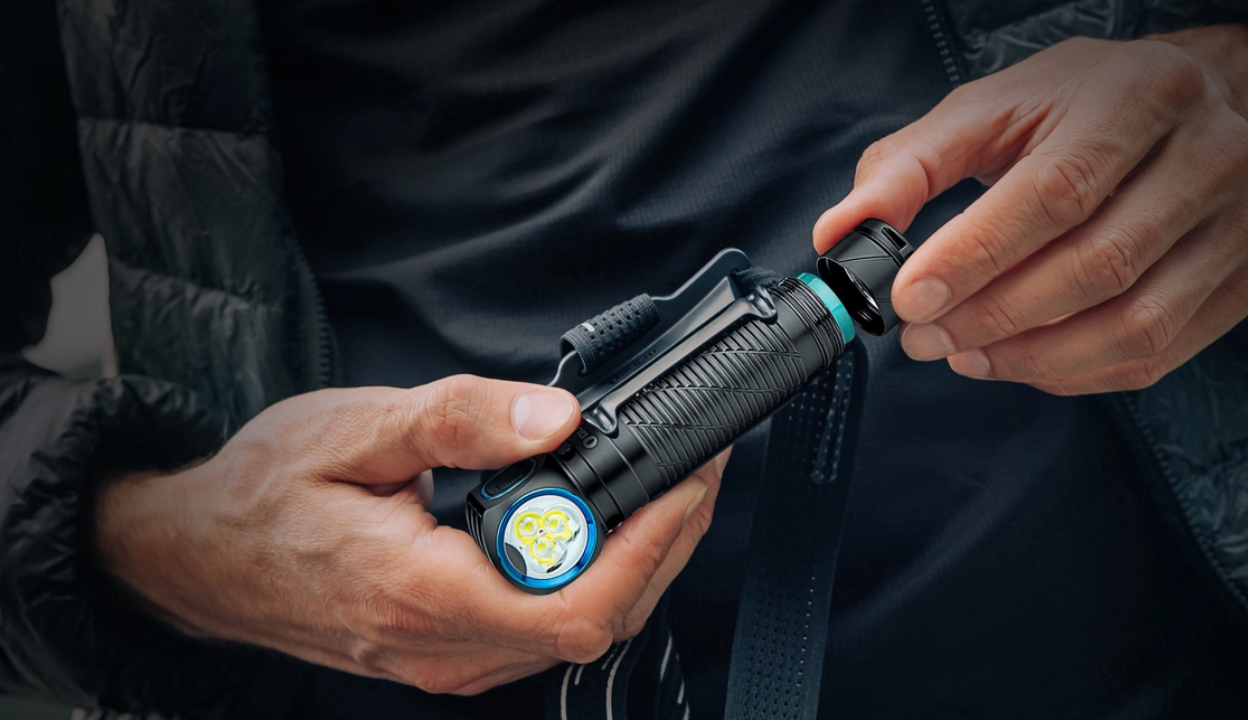
- Hybrid Battery Systems: For long expeditions in the Pennines, the ability to switch between a high-power 21700 lithium pack and standard AAA backups is a life-saving redundancy that keeps you moving when mains power is unavailable.
- Red Light Biology: Utilizing a red LED (above 650nm) preserves your night vision and rhodopsin levels, allowing you to read maps or interact with team members without the 30-minute recovery period required for white light exposure.
- High CRI for Inspections: Standard blue-tinted LEDs wash out brown and red tones. High CRI (90+) emitters are mandatory for agricultural work, search and rescue, and outdoor first aid, allowing for accurate color identification of wires, soil, or injuries.
3. Quick Technical Comparison Table
4. Detailed Elite Product Reviews
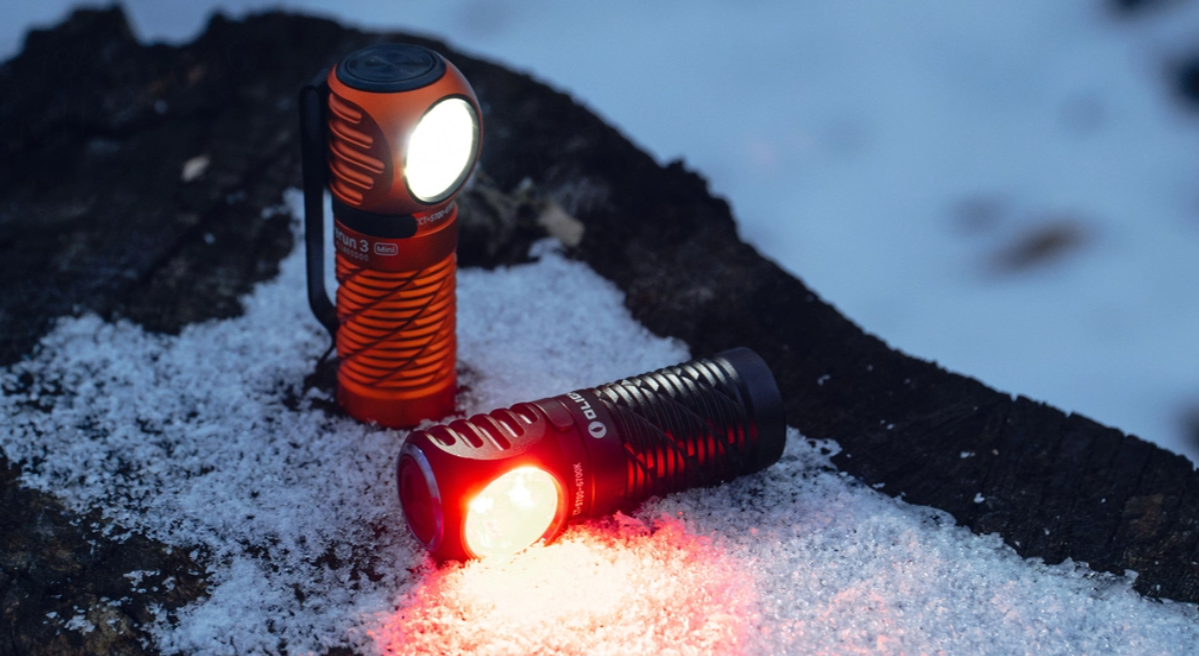
5. 5 Common Mistakes British Buyers Make
1. Buying on Max Lumens Alone: High-lumen modes generate massive internal heat. Many generic lights will dramatically "Step-Down" to a mere 200 lumens after just 2 minutes of use. Always check the sustained runtime of a head torch uk at medium, sustainable settings to ensure you are not left in sudden dimness during a challenging outdoor route.
2. Ignoring the IPX Waterproof Rating: Many cheap lights are rated only IPX4. In a Scottish rainstorm, horizontal rain driven by strong winds will easily penetrate the seals. Invest in IPX6 or IP68 ratings for total peace of mind in wild weather, which prevents internal electrical short-circuiting.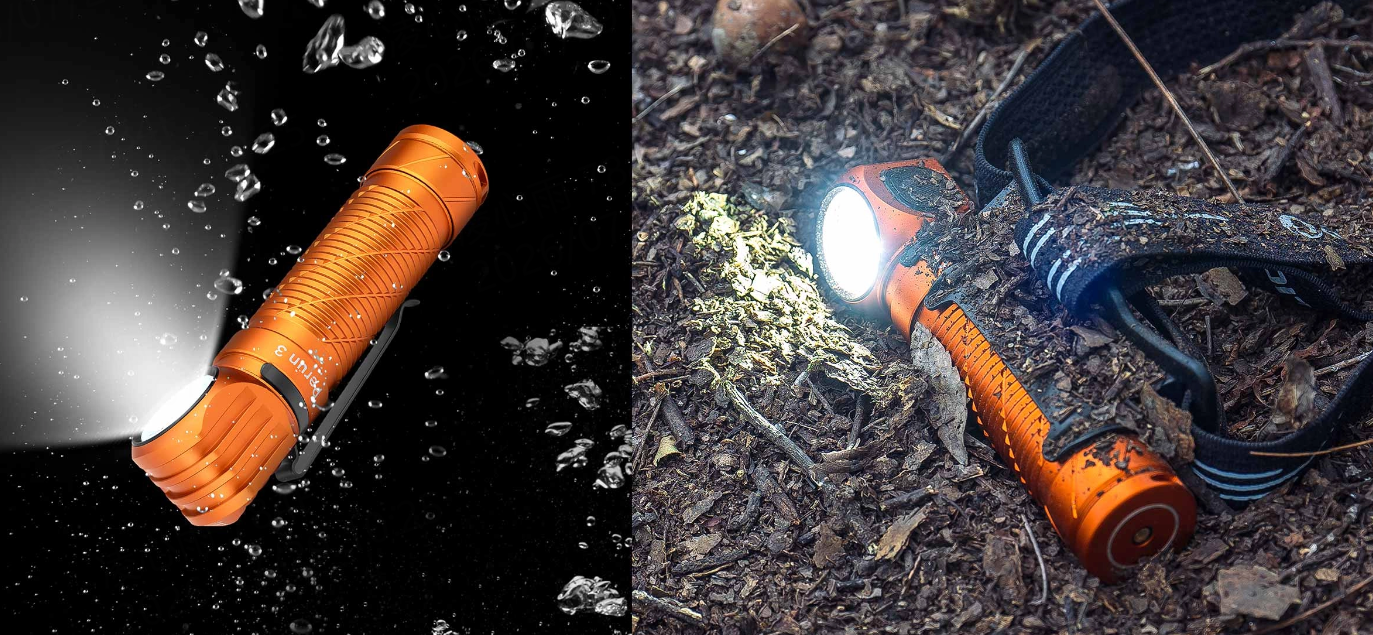
3. Non-Swappable Batteries: On a multi-day hike in the Lake District, you might not see an electrical outlet for 72 hours. Ensure your rechargeable head torch allows for swappable batteries, or carries enough internal capacity for the entire duration of your trip to avoid absolute blackout scenarios.
4. Overlooking Cold Performance: Standard alkaline batteries are chemical systems that fail rapidly at 0°C. High-performance Lithium-ion cells handle the British winter frost with significantly less voltage drop, providing consistent power when you need it most on high-altitude summits.
5. Skipping the Lockout Feature: Arriving at your campsite after a wet hike only to find your light has been accidentally switched "ON" inside your pack for 6 hours is a classic rookie error. Always use the electronic or physical lockout protocol before packing your gear to conserve valuable capacity.
Head Torch FAQ
How Many Lumens Do I Really Need in the UK?
For campsite tasks and tent setup, 50 to 150 lumens is ideal to prevent self-blinding reflection off light-colored fabrics. For trail hiking on established paths like the Cotswold Way, 150 to 300 lumens is the standard. If you are fell running, navigating off-trail in Snowdonia, or searching in heavy coastal fog, you need 500 to 1,000+ lumens to safely identify path hazards and sudden terrain drops.
Is a Rechargeable Head Torch Better Than AAA?
Yes, decisively. Rechargeable lithium batteries provide far better cold-weather performance, consistent brightness levels (Constant Current), and are significantly more environmentally friendly. Modern magnetic charging on Olight models allows for a completely sealed chassis, which is superior for resisting Scotland's unrelenting rain compared to latch-style plastic battery doors that wear down over time.