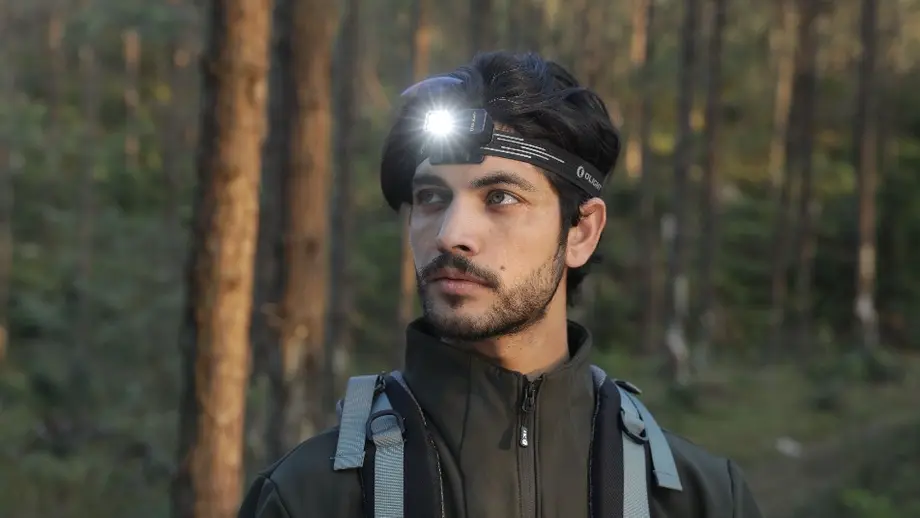
TL;DR:Navigating the dark, wet, and unpredictable British winter requires a dependable running head torch for trail and road safety. As UK councils cut streetlight funding and phone lights prove impractical, specialized hands-free lighting with optimal lumens, balanced weight, and red-light modes is essential. Discover top-rated 2026 models like the Olight Perun 3 series, learn chest vs. headlamp advantages, and master mandatory ultra-race kit guidelines (including Spine Race, OMM, and FRA compulsory equipment rules).
1. Why UK Runners Can't Rely on Streetlights (Or Their Phone) 2. What Makes a Great Running Head Torch? 4 Non-Negotiables 3. Head Torch vs Body Torch vs Chest Torch: Which Do You Actually Need? 4. Best Head Torches for Running UK 2026 5. How Many Lumens Do You Need for Running in the UK? 6. Race-Ready Kit Checklist (Spine Race, OMM & FRA Standards) 7. FAQ 8. Final Verdict: Our Top Pick for British Runners
Running in the UK during autumn and winter presents distinct environmental challenges. Saturated moorlands, unpredictable coastal mist, early afternoon sunsets, and pitch-black rural lanes demand dependable personal illumination. A high-performance running head torch is not merely an optional accessory; it is a vital safety tool engineered to prevent severe injuries from hidden obstacles. This guide reviews the top hands-free flashlight systems for British runners, spanning casual evening road jogs to extreme mountain ultra-marathons.
Why UK Runners Can't Rely on Streetlights (Or Their Phone)
Relying on municipal streetlights is no longer dependable across the UK. To lower operational expenses and meet aggressive local Net Zero carbon targets, up to 70% of UK local authorities now operate dimming schedules or complete midnight street light switch-offs on major and secondary highways. Once you venture onto suburban side streets, unlit country lanes, public bridleways, or canal towpaths, artificial light disappears completely. (reference: RMP-Risk-Control-Advice-on-Local-Authority-Street-Lighting-Strategies).
Attempting to navigate dark routes using a smartphone flashlight is highly inefficient and risky. Holding a mobile device in hand directly restricts natural arm swing, compromising running gait and overall balance. Furthermore, freezing temperatures rapidly deplete smartphone lithium batteries, leaving you without emergency communication if an accident occurs on an isolated trail. Rain, mud, and drops can easily shatter expensive smartphones, making a dedicated waterproof running light an essential investment.
A specialized hands-free light illuminates wet tree roots, slick cobblestones, submerged potholes, and concealed mud patches far enough ahead to give you ample reaction time, keeping you safe and confident through winter training blocks.
What Makes a Great Running Head Torch? 4 Non-Negotiables
Avoid generic hardware store lamps. Running places unique physical forces on headwear, demanding lighting solutions tailored specifically for dynamic motion, moisture exposure, and long-duration comfort.
Beam Shape: Wide Flood vs Focused Throw for Trail vs Road
The optical geometry of the lens dictates how comfortably your eyes perceive surroundings in pitch darkness:
* Wide Flood Light: Disperses smooth, uniform illumination across your immediate periphery. It eliminates harsh shadows and central hot spots, making it essential for a trail running head torch where precise foot placement changes with every stride.
* Focused Spot/Throw: Concentrates lumens into a narrow long-distance beam, ideal for spotting distant trail markers, stile gates, or identifying cairns across open fell tops during high-speed descents.
Bounce & Fit: Why Ergonomics & Weight Distribution Win Every Mile
A headlamp that bounces, slips down, or pinches causes forehead hot spots and constant friction distractions. High-performance running headtorches distribute total mass evenly between the front optical unit and headband straps. Look for perforated, sweat-wicking headbands featuring interior silicone anti-slip grips that hold firmly even during heavy exertion in torrential downpours.
Cold-Weather Runtime & Constant Output Efficiency
For winter ultra-marathons, long mountain recce runs, or overnight events, regulated power delivery is vital. Superior torches utilize active thermal management circuits that prevent sudden mode drops, maintaining steady lumen output for hours without overheating or draining prematurely in freezing conditions.
Red Light Mode for Group Safety & Preserving Night Adaptation
Bright white light instantly resets human eye adaptation to darkness, taking up to 30 minutes for rod cells to fully readjust. Auxiliary low-level red light lets you check OS maps, adjust gear, or talk with running partners at checkpoints without blinding them. It is equally valuable for other winter night activities, as highlighted in our Best Torch Dog Walking UK Guide. (reference: Harvard Health Night Vision Analysis).
Head Torch vs Body Torch vs Chest Torch: Which Do You Actually Need?
Different lighting positions offer distinct optical advantages depending on terrain complexity and weather.
The Case for a Dedicated Running Head Torch
Mounting your light source on your head guarantees that the beam dynamically tracks your gaze. If you glance sideways to scan a trail marker or check for livestock, illumination follows instantly. This reactive tracking makes headlamps the undisputed default choice for unpredictable technical terrain.
When a Chest Torch or Body Light Beats a Headlamp
A running body torch clipped to a chest harness sits closer to ground level. This lower projection angle casts longer, exaggerated shadows behind rocks, tree roots, and drop-offs, dramatically improving depth perception and 3D surface awareness.
Crucially, when running through heavy moorland fog, sea mist, or driving rain, head-level lights bounce intense white glare directly back into your eyes (known as Mie scattering). Chest-mounted lights project below eye level, cutting beneath the mist layer to maintain clear visibility.
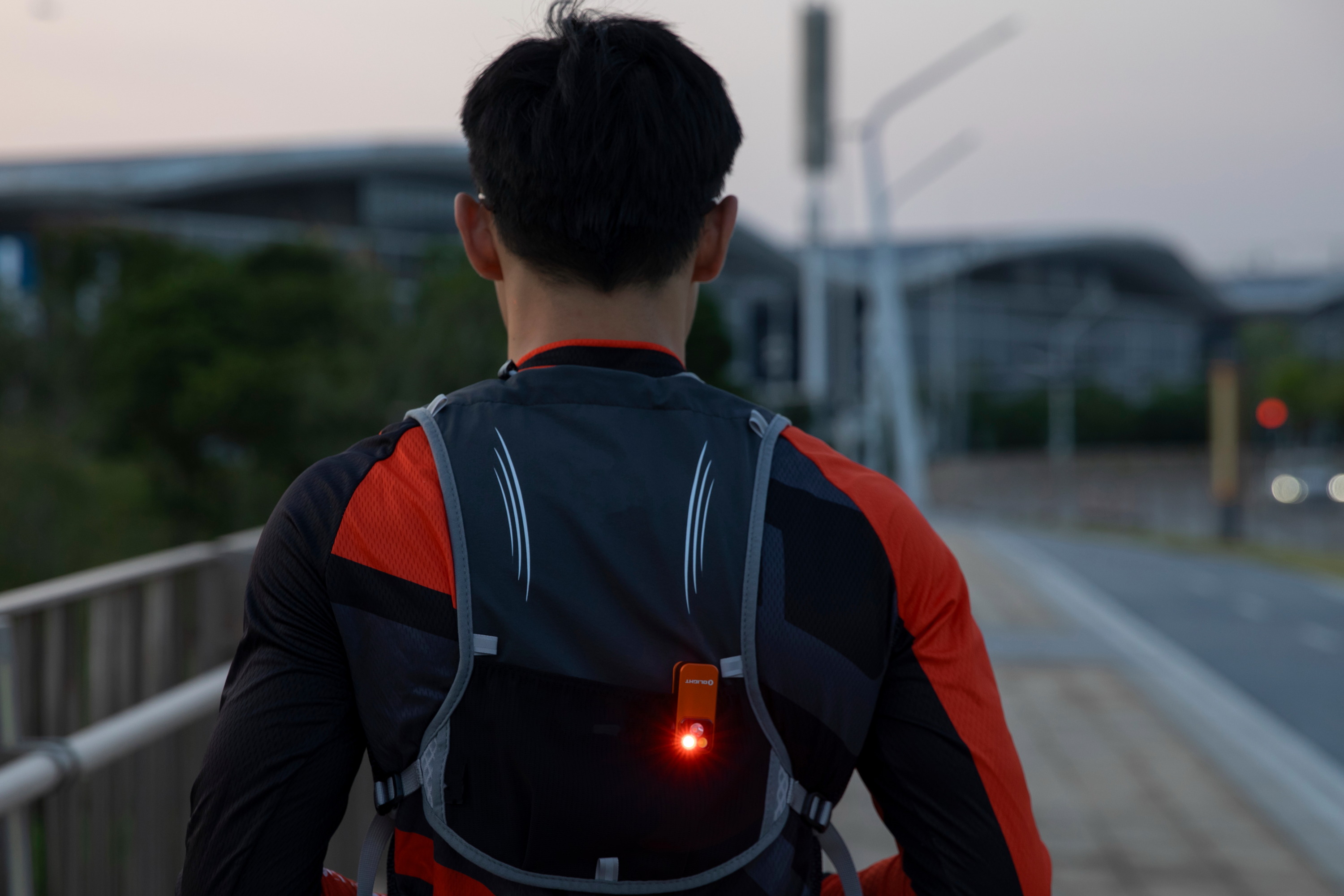
Recommended Setup: Dual Head + Chest Combination
For demanding fell runs or overnight ultra races, seasoned runners combine both systems. Running a lightweight headlamp on medium flood mode alongside a vest-clipped body torch creates shadow-filling illumination with high relief contrast while satisfying compulsory dual-light safety regulations.
Best Head Torches for Running UK 2026
#1 Best Overall for Trail & Mountain Running - Olight Perun 3
The Perun 3 is a rugged, multi-purpose illumination tool built for serious winter conditions and technical terrain navigation.
- Output & Throw: Massive 3,000 max lumens output with an impressive 160-meter beam throw.
- Battery Capacity: High-capacity 5000 mAh 21700 rechargeable battery.
- Key Features: 5 white light modes, dual red light modes, large metal side switch optimized for gloved hands.
- Pros: IPX8 waterproof rating, extreme durability, easily unclips from headband to double as a versatile handheld flashlight.
#2 Best Lightweight Running Head Torch - Perun 3 Mini
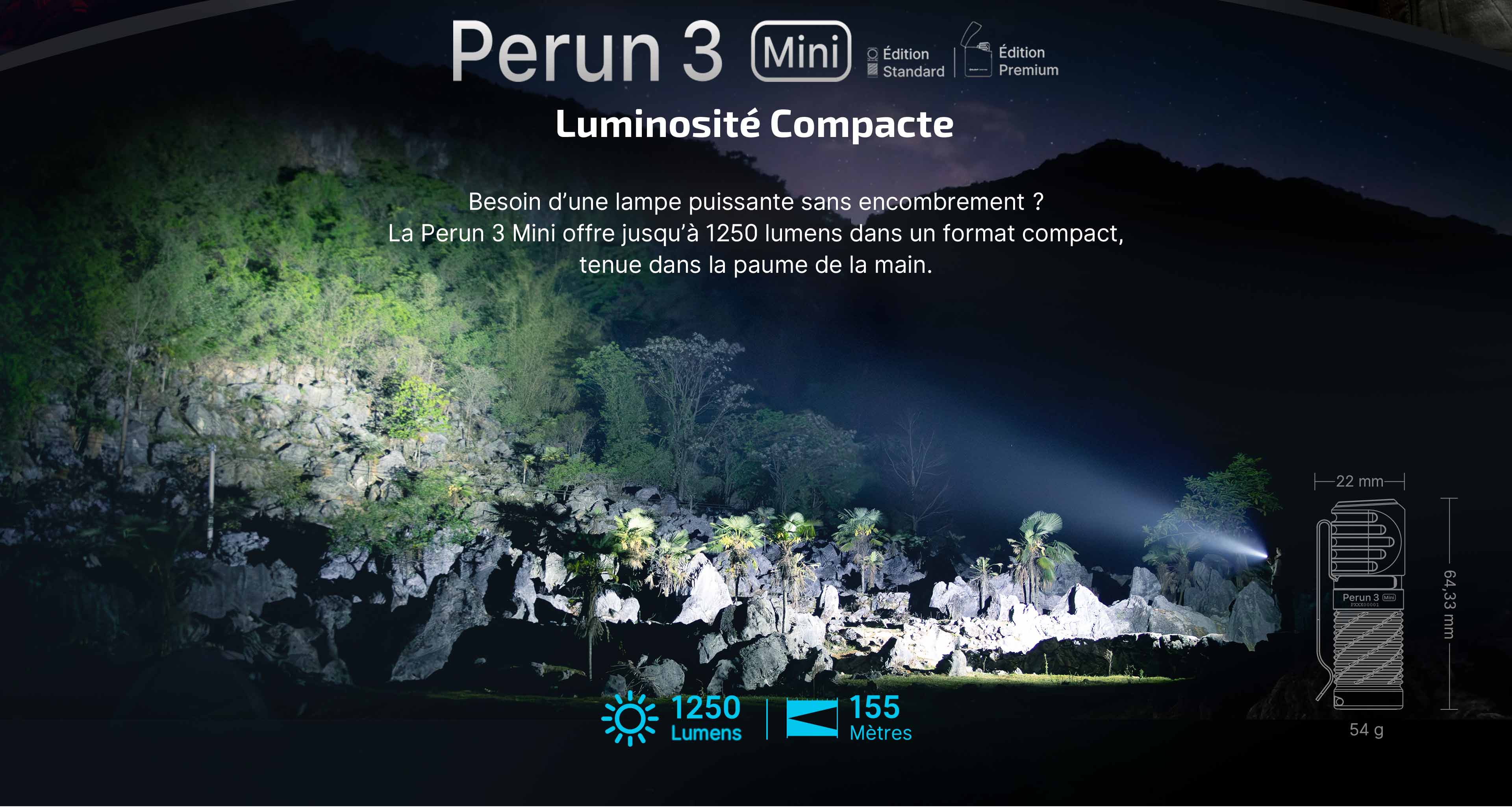
Perun 3 Mini Rechargeable Headlamp
The Perun 3 Mini delivers powerful hands-free lighting in an ultra-lightweight chassis. Featuring up to 1,250 lumens output, dual white and red LED modes, magnetic charging, and an upgraded 25% lighter breathable mesh headband with anti-sweat strip, it is engineered for fast-paced road sessions and night trails.
View Details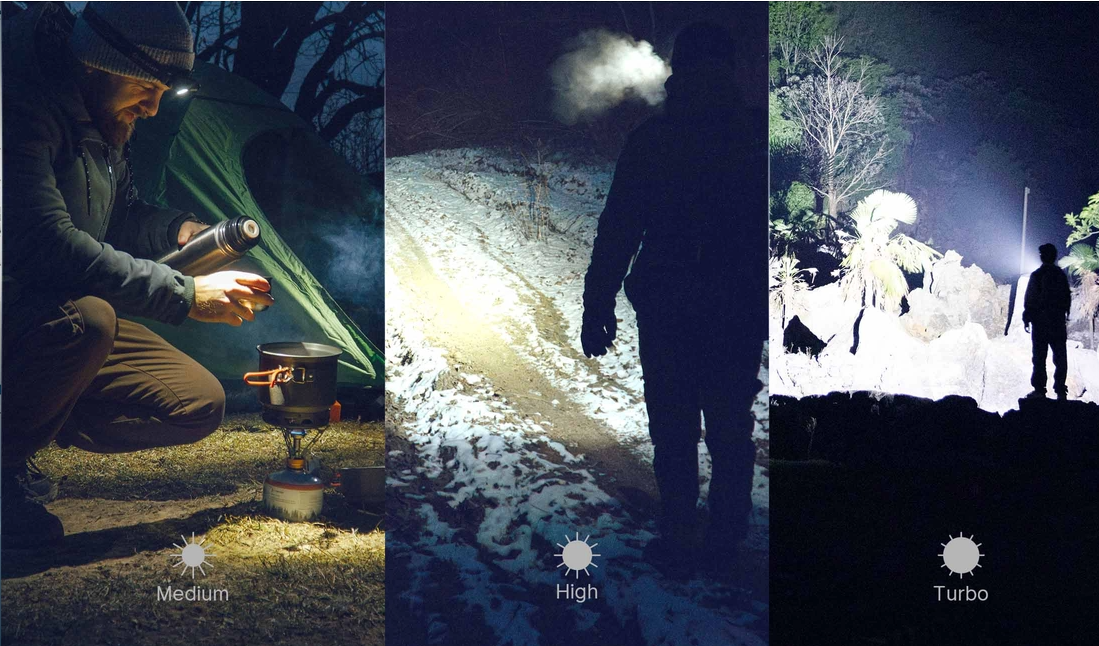
#3 Best for Ultra Distance: Olight Perun 3 (Extended Endurance Mode)
For multi-day endurance events, Backyard Ultras, or long winter training blocks, battery management is critical. The Perun 3 provides up to 20 days of runtime in low moonlight mode and delivers balanced medium modes that carry you through 14+ hours of continuous dark without battery changes.
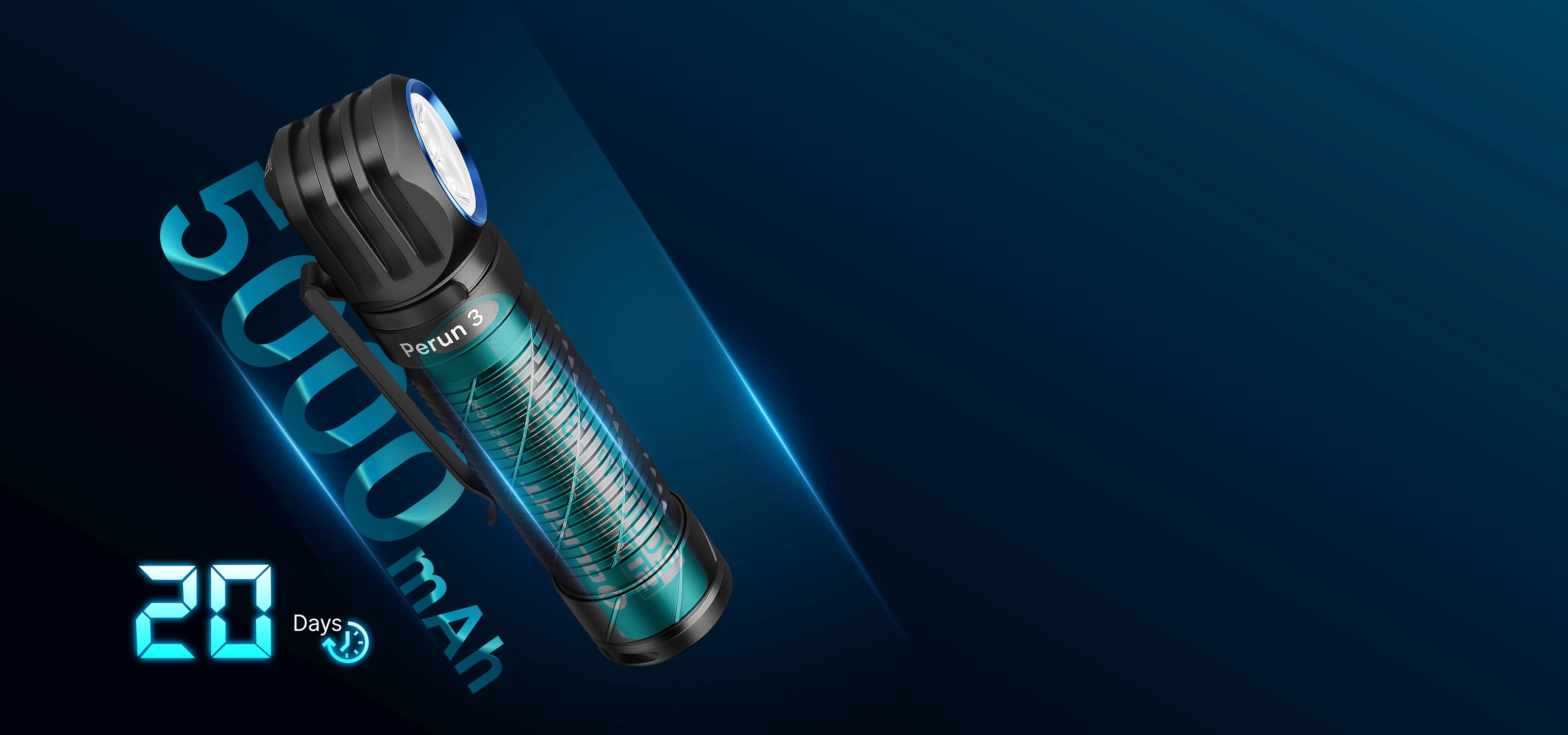
Perun 3 Rechargeable Headlamp
Delivering up to 3,000 lumens, the Perun 3 is built for extreme outdoor environments. It features multiple regulated brightness levels, convenient magnetic charging, and exceptional battery endurance for long winter nights.
View Details#4 Best Budget/Auxiliary Body Light: Oclip Pro
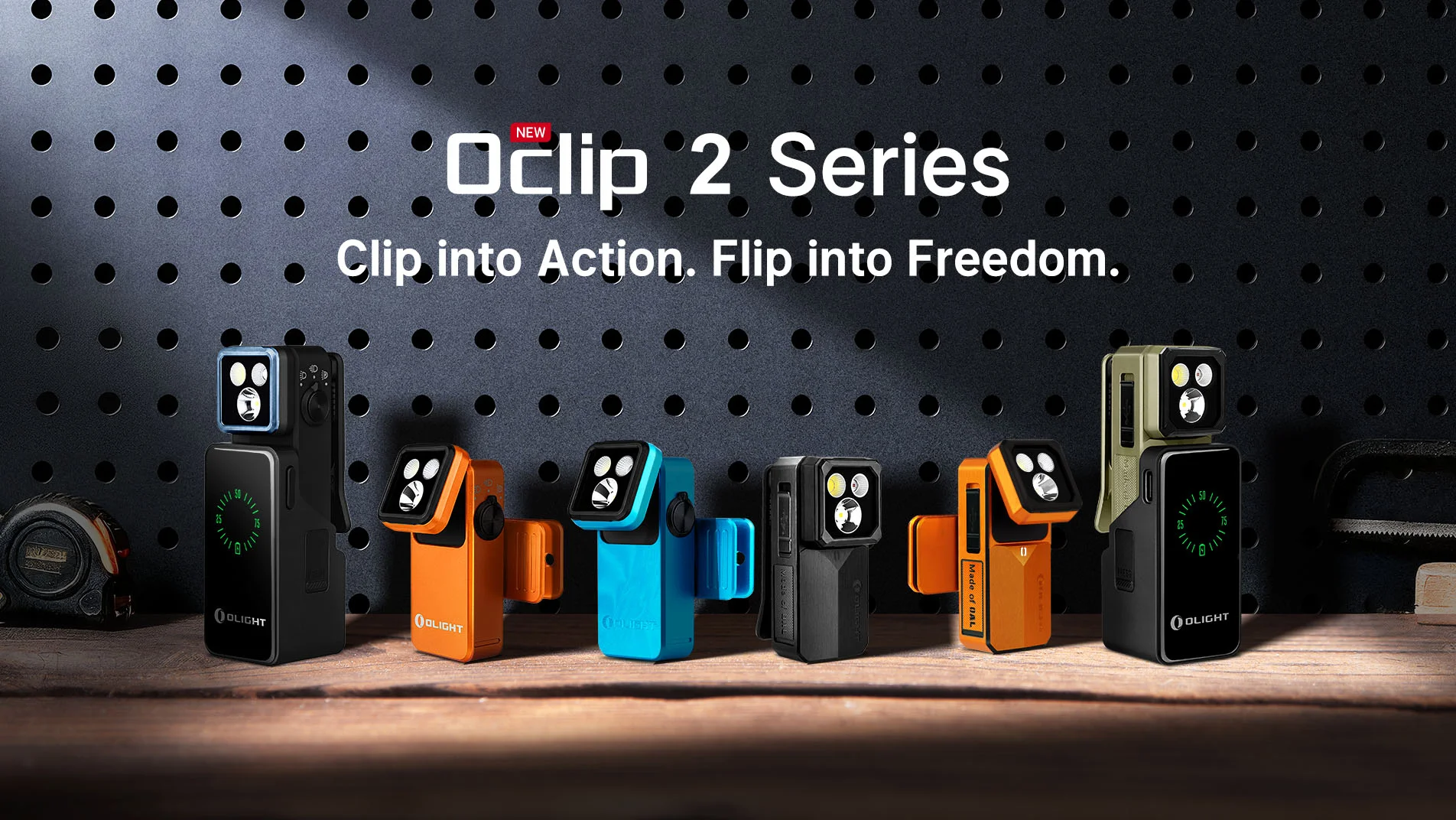
For beginners or runners looking for an affordable, lightweight secondary light, the Oclip Pro is an ideal choice. Weighing only 53g, it clips securely onto vest straps, jacket lapels, or running caps to function as a compact hands-free beacon.
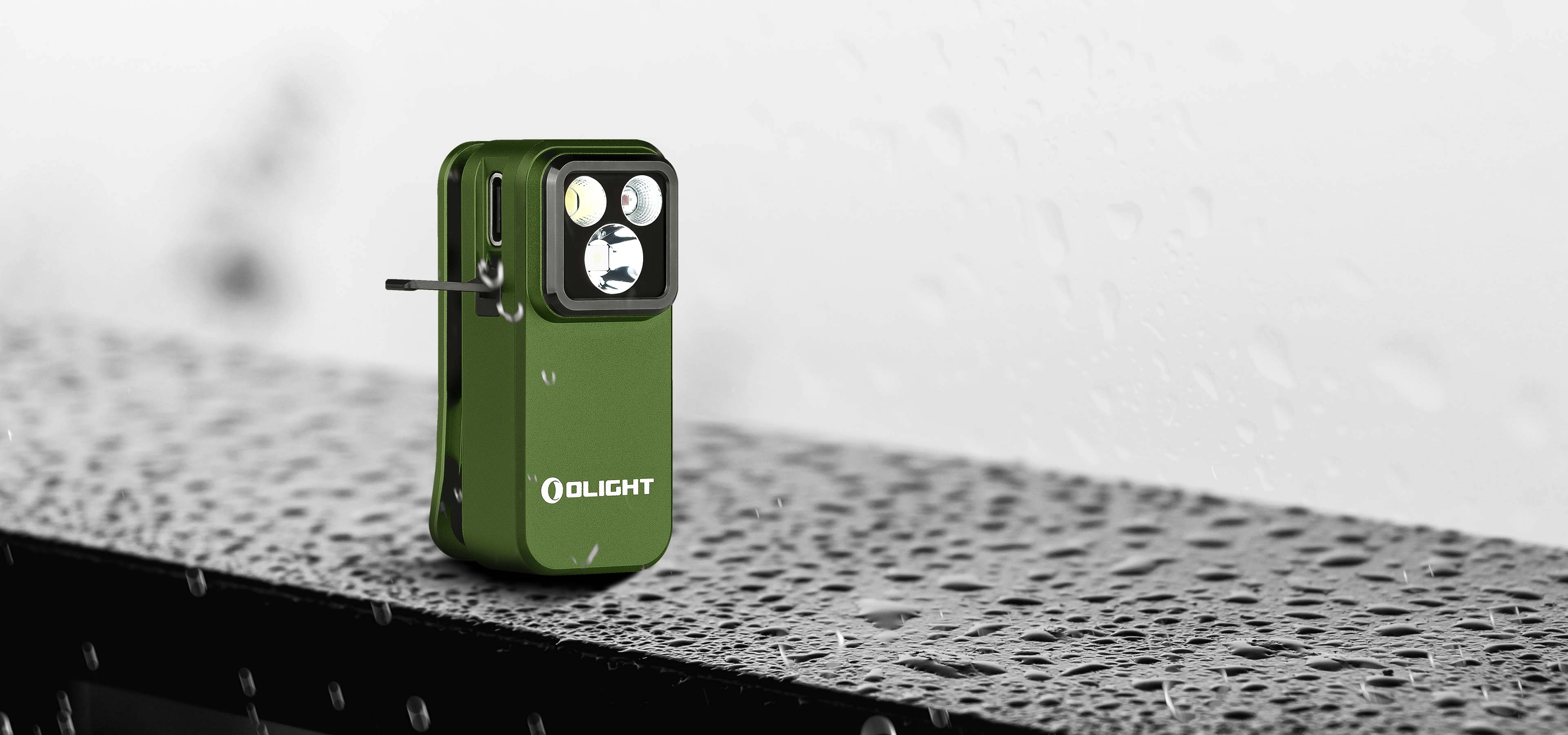
Oclip Pro S 5-in-1 Clip Torch
The Oclip Pro S combines floodlight, spotlight, red light, UV, and signaling modes in one ultra-compact 53g design. Featuring USB-C charging and a robust spring clip, it is perfect for secondary race backup gear and urban runs.
View DetailsHow Many Lumens Do You Need for Running in the UK?
Matching lumen output to your specific running route ensures adequate visibility while conserving battery life.
100-300 lm - Urban Pavements & Well-Lit Suburbs
Ideal for city street running under partial municipal lighting. Ensures vehicles and pedestrians spot you clearly without blinding oncoming traffic.
400-800 lm - Unlit Rural Roads, Towpaths & Compact Trails
Provides strong, crisp coverage for gravel paths, dark country lanes, and forestry roads, enabling you to detect potholes and surface changes at training pace.
1000 lm+ - Technical Fell Running, Off-Trail Navigation & Mountain Racing
Crucial for technical mountain trails, steep rocky descents, and pathless moorland. High lumen bursts allow you to pick lines through boulder fields and navigate safely in bad weather.
Race-Ready Kit Checklist (Spine Race, OMM & FRA Standards)
Organized UK trail races, winter mountain marathons like the **Original Mountain Marathon (OMM)**, extreme ultras such as the **Montane Spine Race**, and fell events operating under official FRA Requirements for Runners enforce strict compulsory kit checks prior to issuing race bibs:
- Primary Light Source: A high-output, waterproof trail running head torch (such as the Olight Perun 3) capable of sustained burn time.
- Compulsory Secondary Light: An independent backup torch (such as the Perun 3 Mini or Oclip Pro) packed in your vest in case your primary torch malfunctions.
- Spare Power & Cold Protection: Fully charged spare batteries or power packs stored inside insulated dry bags close to body heat. Cold weather drastically reduces battery output. (reference: Battery University BU-502 Low Temperature Guide).
- Waterproof Protection: All electrical gear must be sealed in dry bags against heavy UK downpours.
For further night running preparation advice, explore our comprehensive Best Running Head Torches Guide.
FAQ
1. Are Head Torches Mandatory for UK Ultra Marathons and Mountain Marathons?
2. How Cold Can Rechargeable Lithium Batteries Operate?
3.What's the Best Head Torch for Trail Running Under 100 GBP?
Final Verdict: Our Top Pick for British Runners
For the ultimate balance of power, comfort, and reliability on UK trails, the Olight Perun 3 is our top recommendation. Its massive 3,000-lumen capacity, long-lasting battery, and robust build make it perfect for demanding trail runs and long winter nights.
If you prioritize a lightweight fit for fast road sessions, choose the Olight Perun 3 Mini instead. Whichever you choose, invest in dependable lighting to stay safe and confident on your runs all year round.