 1. Why Hiking in the Lake District Requires Reliable Lighting
2. Key Features for Lake District Hiking Torches
3. Types of Torches for Hikers
4. Recommended Torch Setup for Lake District Hikes
5. Conclusion: Be Prepared for Any Condition
6. Frequently Asked Questions (FAQ)
The Lake District offers some of the most stunning landscapes in the UK, but it also presents significant challenges for hikers. Whether you are tackling Scafell Pike or enjoying a lower-level walk around Derwentwater, having the right hiking gear for the Lake District weather is non-negotiable. One of the most critical safety items in your pack is a high-quality torch.
A reliable hiking torch UK enthusiasts recommend must handle rain, mist, and sudden drops in visibility. When the sun dips behind the fells, the transition from dusk to total darkness happens rapidly. This guide explores the essential requirements for a lightweight waterproof torch for hiking and how to choose the best lighting setup for your next adventure.
Why Hiking in the Lake District Requires Reliable Lighting
Hiking in the Lake District is vastly different from a casual stroll in a local park. The environment is dynamic, and the terrain is demanding. Even if you plan to be off the hills by mid-afternoon, delays occur. A twisted ankle, a wrong turn, or simply moving slower than expected can leave you stranded in the dark.
Early Dark, Changing Weather, Remote Terrain
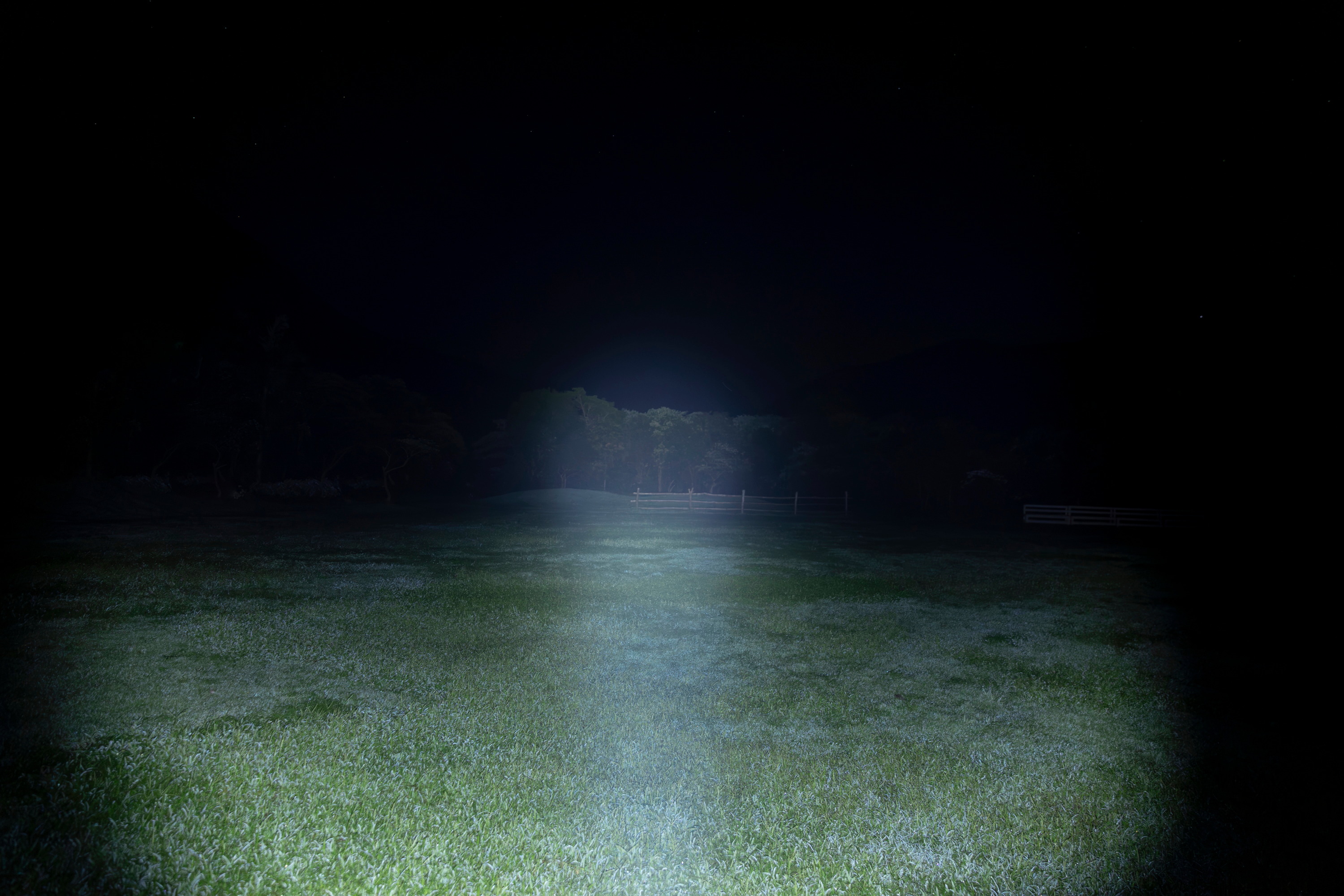
The Lake District is notorious for its "all-weather" conditions. You might start a hike in sunshine and end it in a torrential downpour with visibility reduced to a few meters by thick fog. In winter, the sun can set as early as 4:00 PM, meaning a hiking torch with long battery life is essential for any afternoon walk.
Furthermore, many paths in the Lakes are not well-defined or signposted. Navigating rocky terrain like Screes or boggy moorland requires clear, bright light to identify hazards and follow trail markers. Relying on a smartphone light is a dangerous mistake; these devices lack the beam distance, weatherproofing, and battery stamina required for mountain safety.
Key Features for Lake District Hiking Torches
When searching for the best compact torch for hiking, certain technical specifications are more important than others. You need a balance between power and portability.
Waterproof Rating: IPX7 or Higher
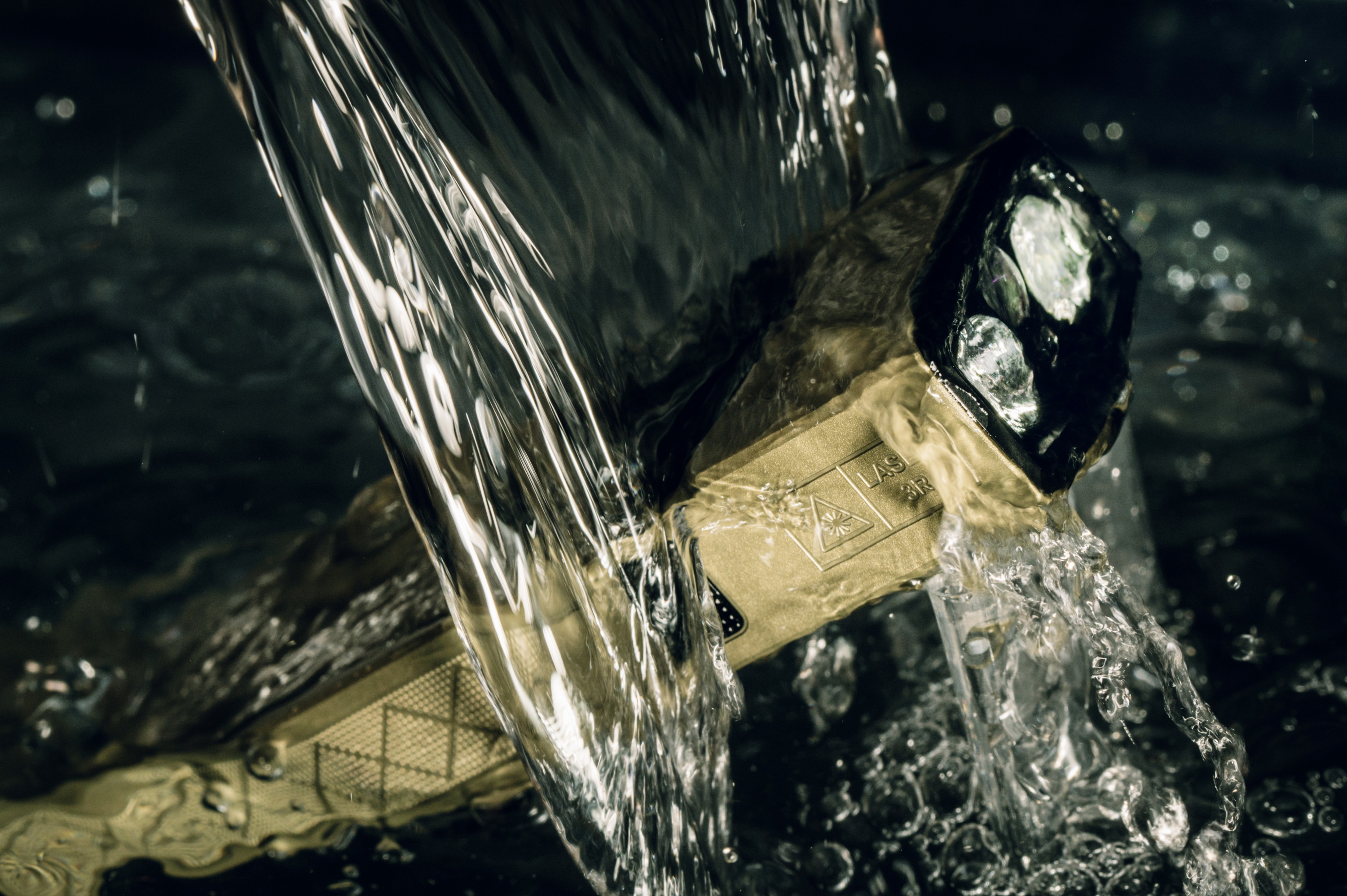
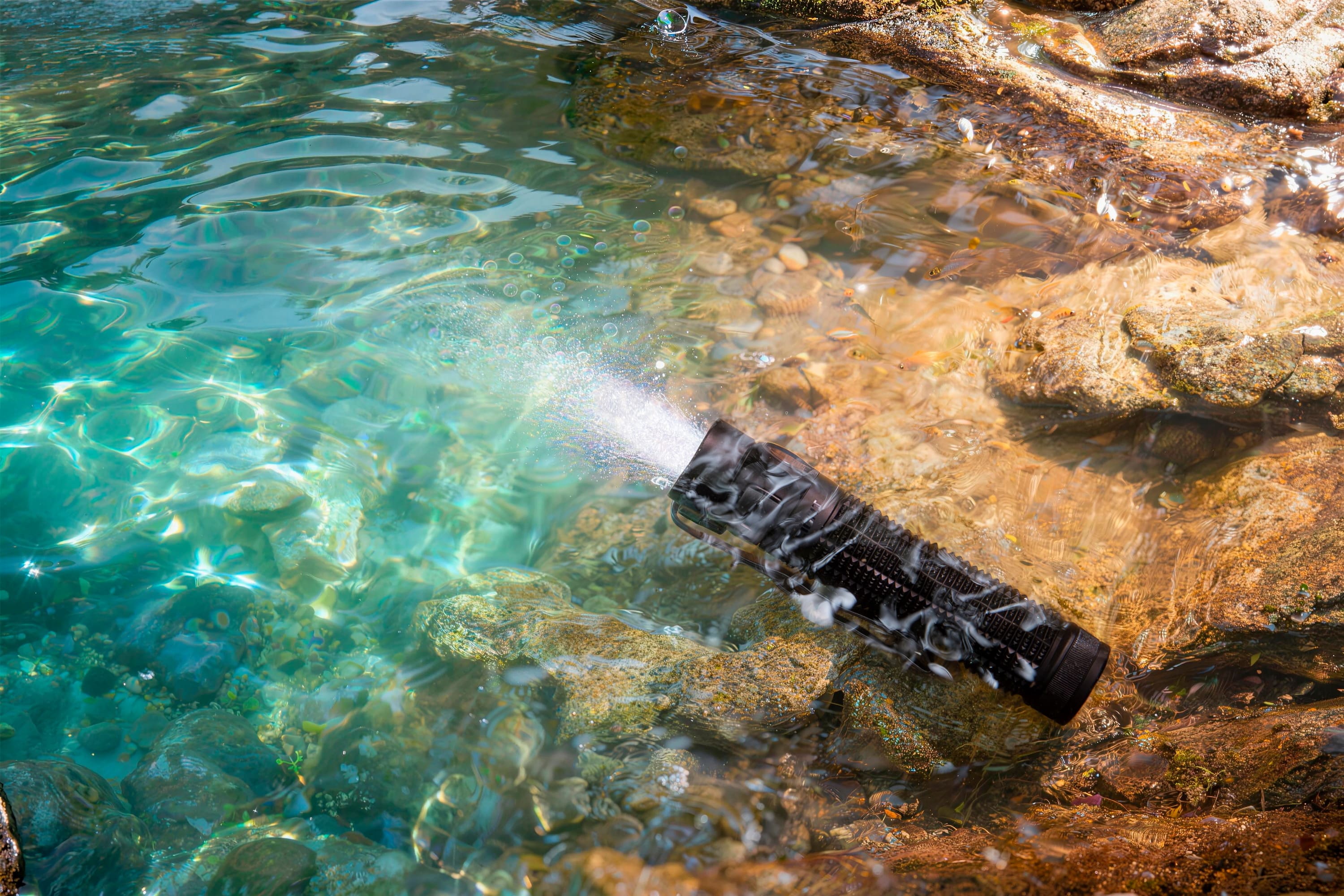
Rain is a constant companion in Cumbria. A lightweight waterproof torch for hiking must be able to withstand heavy, sustained downpours. Look for an IPX7 rating, which means the device can be submerged in water up to one meter deep for 30 minutes. An IPX8 rating is even better for extreme "all-weather" reliability.
A hiking torch with long battery life ensures you aren't left in the dark during a long descent. Modern LED torches offer various brightness modes. Using a "low" or "medium" setting for general walking can extend the runtime to dozens of hours, while "turbo" modes are available for short bursts of high-intensity light when navigating difficult sections.
Lightweight and Compact Design
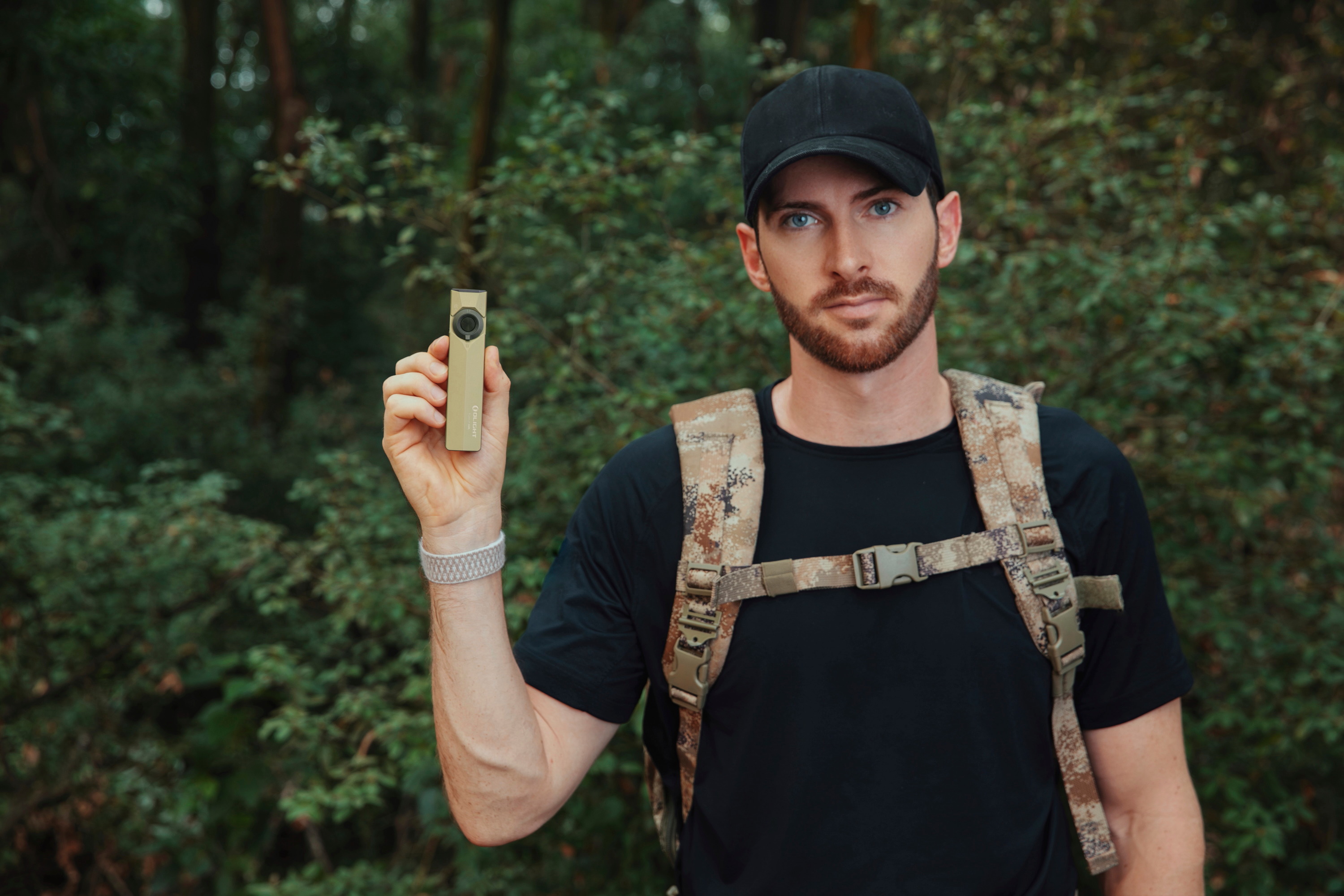
Every gram counts when you are climbing steep hills. The best compact torch for hiking should be small enough to fit in a jacket pocket or a side pouch on your rucksack. Modern lithium-ion batteries allow for incredible power in tiny packages, often weighing less than 150 grams including the battery.
Beam Type: Flood for Trail, Throw for Navigation
A good hiking torch provides a versatile beam:
- Flood: A wide beam that illuminates the immediate area around your feet, helping you avoid trips and slips.
- Throw: A focused beam that reaches deep into the distance (ideally 100+ meters) to help you locate gates, stiles, or distant landmarks.
Types of Torches for Hikers
Most experienced hikers use a combination of different lighting tools to ensure they are never without a light source.
Head Torch for Hands-Free Use
A head torch is arguably the most important piece of hiking gear for the Lake District weather. It allows you to keep your hands free for using trekking poles, checking a map, or scrambling over rocks. It always points where you are looking, making it the primary choice for movement.
Handheld Torch for Spotting
A handheld hiking torch UK users carry provides extra power and versatility. Handhelds often have larger reflectors, allowing for a better "throw" to see further down the trail. They are also easier to point in different directions without moving your head, which is useful for searching for trail markers in the fog.
Backup Keychain Torch
Never rely on a single light. A tiny keychain torch serves as an emergency backup. If your primary light fails or the battery dies, having a secondary source can be the difference between getting off the hill safely and needing to call for Mountain Rescue.
Recommended Torch Setup for Lake District Hikes
For a safe and effective setup, we recommend choosing a primary handheld or head torch with high output and a reliable backup.
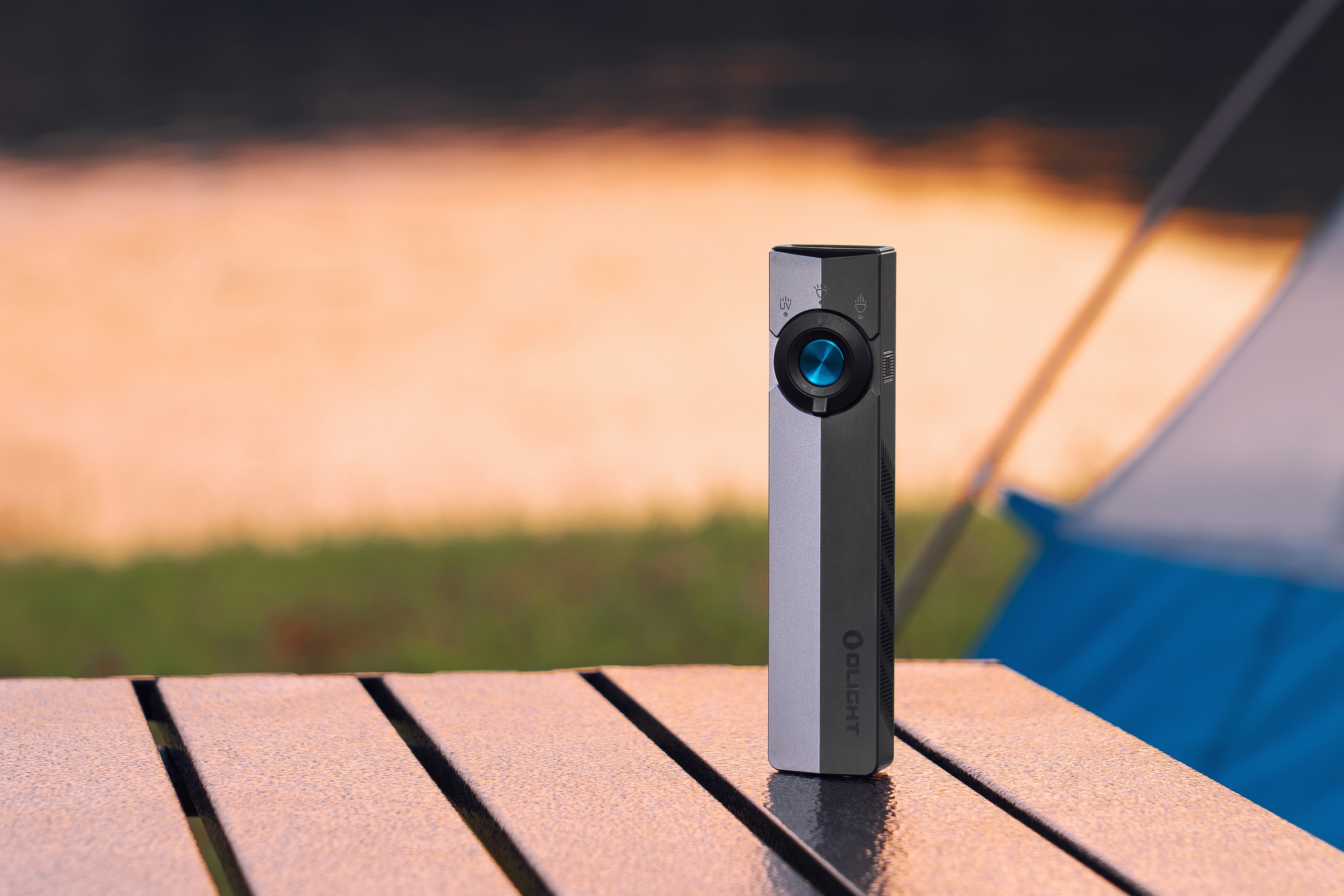
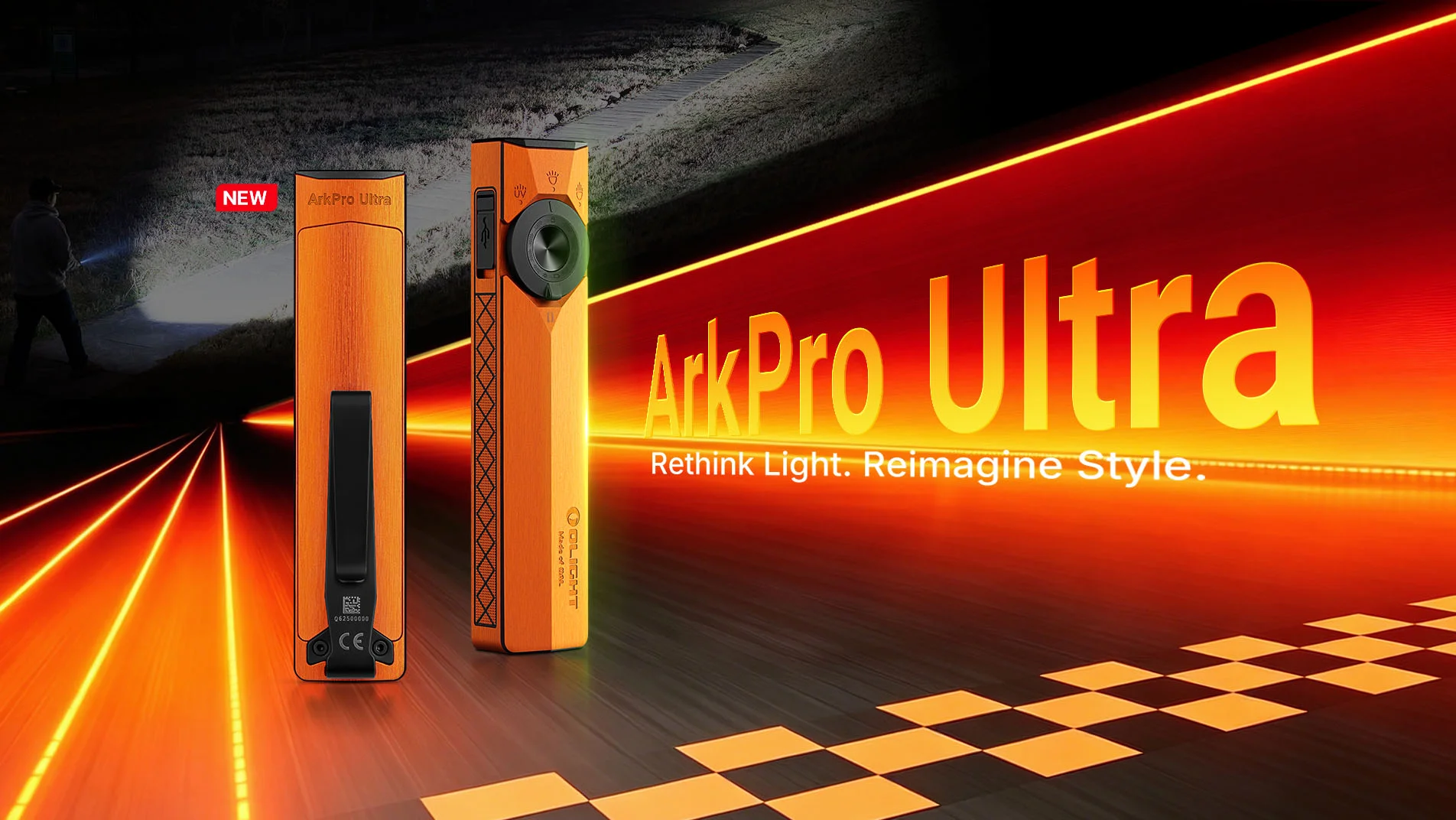
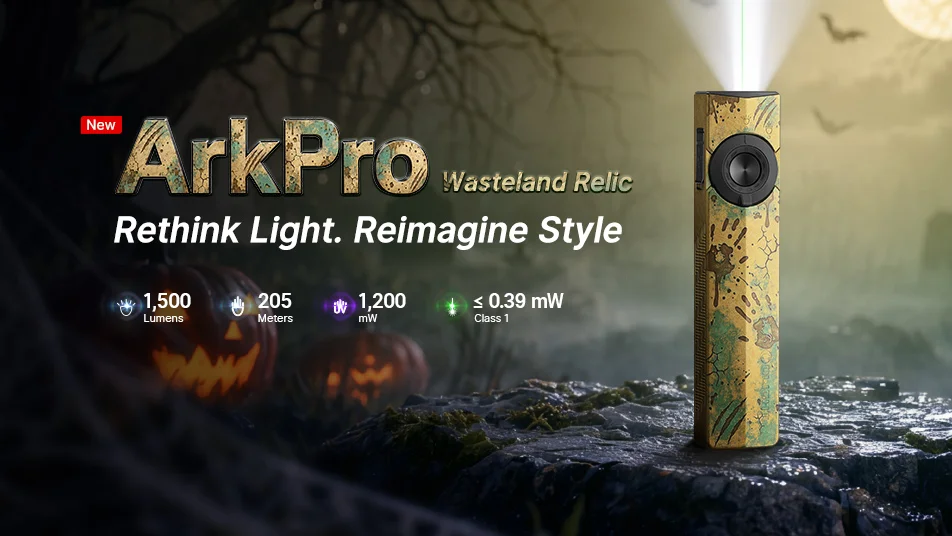
Arkpro Series Flat EDC Torch
The ultimate flat EDC companion featuring white light, UV. Slim, waterproof, and perfect for hiking navigation.
Shop NowThe Arkpro Series Flat Edc Torch is an excellent choice for hikers who value a slim profile. Its flat design prevents it from rolling away when set down and fits comfortably in trouser pockets without adding bulk. It offers a powerful beam and integrated features that make it a versatile tool for the trail.
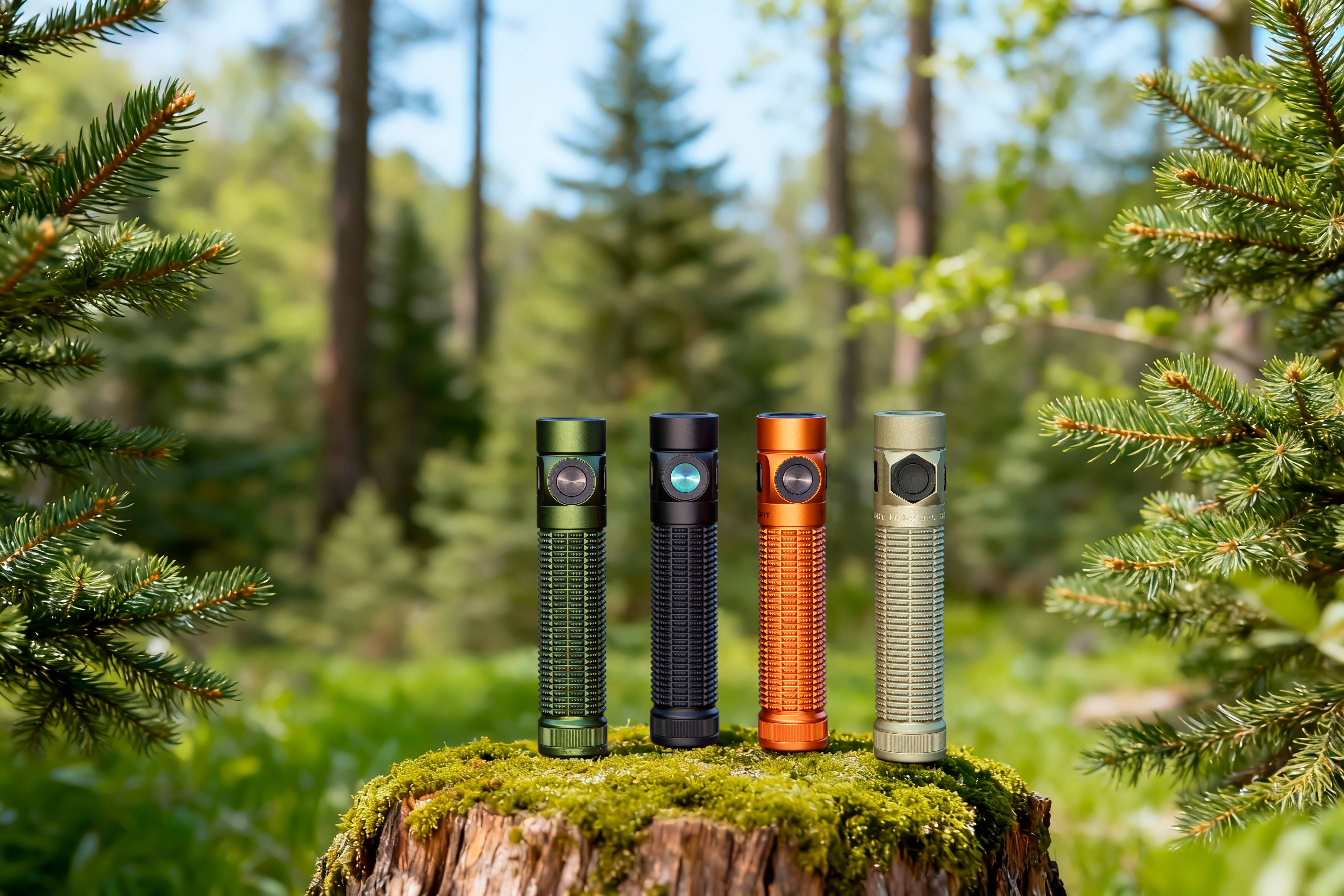
Baton 4 Pro & Baton Ultra Compact Torch
Delivering up to 1,800 lumens in a pocket-sized frame. Features a multi-functional clip for hat-brim mounting and long battery life.
Shop NowIf you prefer something even smaller but incredibly powerful, the Baton 4 Pro & Baton Ultra Compact Torch High Lumen provides massive brightness in a tiny frame. Its high-lumen output is perfect for spotting distant cairns or path crossings in the Lake District mist.
Conclusion: Be Prepared for Any Condition
The Lake District is beautiful but unforgiving. As part of your essential "all-weather" kit, a lightweight waterproof torch for hiking is just as important as your boots or waterproof jacket. By choosing a hiking torch UK walkers can trust, you ensure that you can navigate safely regardless of when the sun sets or how the weather turns.
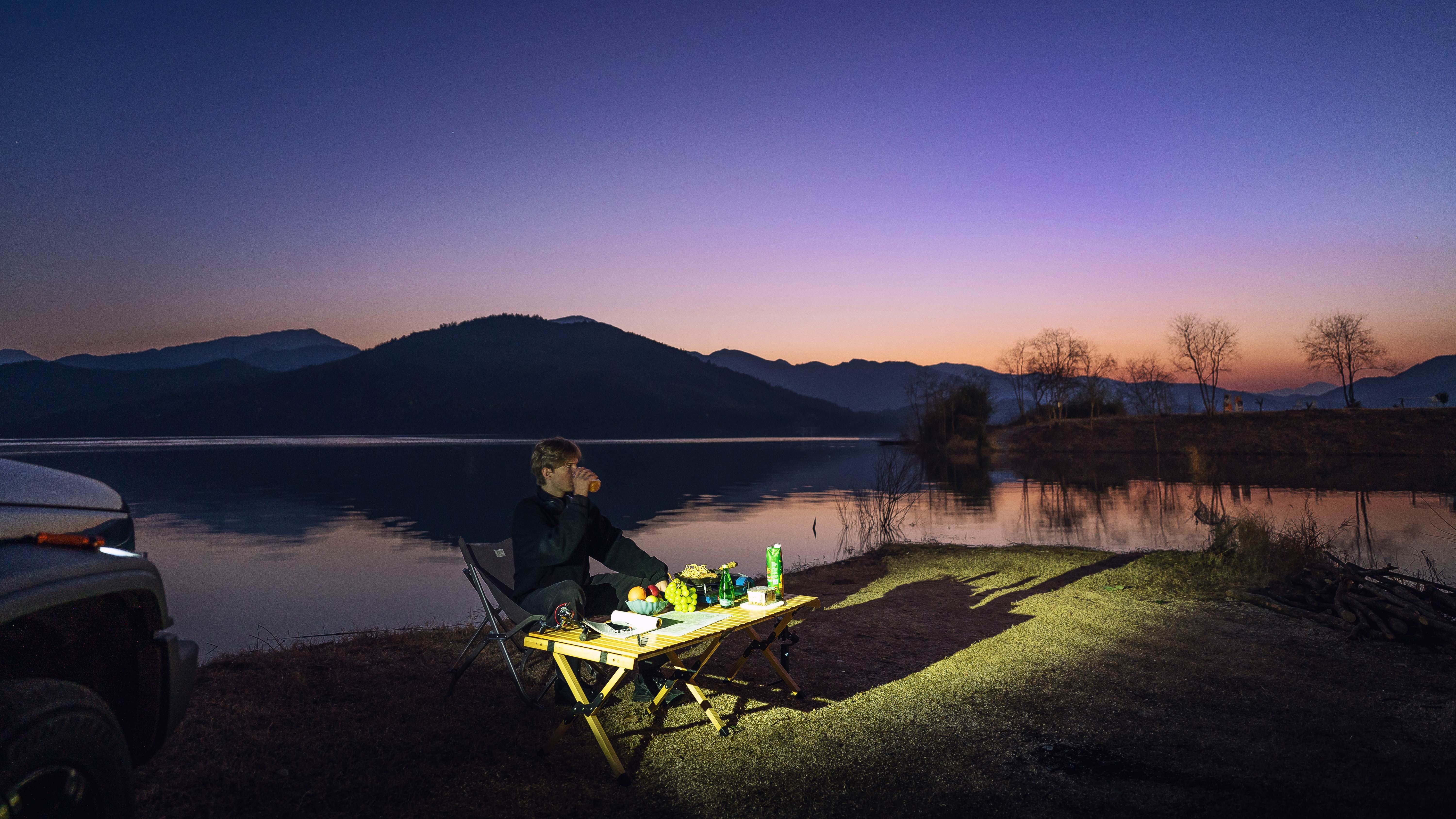
Choose a torch that can handle the wet and rugged reality of the fells. Preparation is the key to enjoying everything the Lakes have to offer while staying safe.
Frequently Asked Questions (FAQ)
How many lumens do I need for hiking in the Lake District?
For general trail walking, 200–400 lumens is usually sufficient. However, for navigating complex terrain or spotting landmarks in the mist, a torch capable of 1,000+ lumens (even in short bursts) is highly recommended for mountain safety.
Are rechargeable torches better than those with disposable batteries?
Modern lithium-ion rechargeable torches are generally superior due to their higher power output and weight-to-performance ratio. Many hikers carry a small power bank or a secondary backup light that uses AAA batteries for ultimate peace of mind.
What does an IPX7 rating actually mean for a hiking torch?
An IPX7 rating ensures your torch is waterproof even if dropped into a puddle or used during a severe Cumbrian downpour. It can be submerged in up to 1 meter of water for 30 minutes, making it highly reliable for Lake District conditions.
Should I choose a head torch or a handheld torch?
The best practice is to have both. Use a head torch for hands-free movement and a powerful handheld torch for long-range navigation and as a primary light source when extra brightness is needed.