TL;DR: The 2026 UK Emergency Lighting Strategy
Severe winter storms in the UK make emergency preparedness a household priority. This technical guide compares wind up torches with high-performance rechargeable torches like the Olight Marauder Mini 2. By implementing a room-specific UK power cut kit and adhering to IPX8 waterproof standards, you can ensure absolute safety and situational awareness when the national grid fails during critical weather events.
M Technical Strategy Navigation
Why UK Homes Still Need a Reliable Emergency Torch
The Truth About UK Winter Storms & Grid Reliability
UK winter storms regularly compromise the national electricity grid, exposing vulnerabilities in local distribution networks. High winds, freezing rain, and fallen trees cause localized power cuts that can last from a few hours to several days, particularly in rural or suburban areas. During these prolonged outages, standard mains-powered lighting is useless. Households without an independent, reliable backup light source face immediate safety risks. Having a dedicated emergency light ensures you can safely locate essential supplies, inspect your home for damage, navigate stairs, and check on family members. As severe weather systems like Storm Arwen and Storm Babet become more frequent, relying on a reactive strategy is no longer viable; proactive illumination is a cornerstone of domestic security.
The Psychology of Darkness: Beyond physical safety, light provides a critical "Psychological Anchor." In a disaster, the human brain enters a high-cortisol state. Sudden darkness amplifies this stress, leading to panic, spatial disorientation, and poor decision-making. A professional torch provides immediate environmental control, allowing the pre-frontal cortex to remain engaged for logical troubleshooting and family coordination. By casting a broad, bright beam across a room, you instantly restore a sense of order, turning a chaotic blackout into a manageable, structured household event.
UK Power Outage Statistics (Typical)
- ● Over 80% of winter power cuts are caused by high winds damaging overhead lines.
- ● Rural restoration times average 12 to 36 hours due to challenging access conditions.
- ● Urban restoration times average 2 to 6 hours depending on grid interconnection depth.
Why Phone Torches Fail You in a Long Power Cut
Many people rely on their mobile phone flashlight during a power cut. While convenient for brief tasks like finding a keyhole, a smartphone is an exceptionally poor emergency tool for several key reasons:
- Battery Drain: Using the phone's camera LED as a flashlight rapidly drains the main battery, leaving you unable to make emergency calls or receive utility updates. In an EMP or grid-failure event, your phone is your only communication link—wasting its energy on light is a strategic error.
- Poor Output: Phone LEDs lack a focused beam or reflector, offering only a wide, low-lumen floodlight that struggles to illuminate distances beyond a few metres. They provide zero depth perception in a cluttered garage, attic, or dark garden path.
- Fragility: Phones are difficult to hold while performing manual tasks, and dropping one on a hard floor can break the screen, instantly destroying your only light source and your only communications terminal.
- Thermal Throttling: Phones generate significant, unmanaged heat when the flash is left on continuously, causing them to automatically dim or shut down to protect delicate internal processors and battery chemistry.
Wind-Up (Dynamo) Torches: Are They Still Worth It?
How a Wind-Up Torch Works (And Its Limitations)
A dynamo torch generates electricity using manual kinetic energy. Inside the casing, a hand crank or squeeze trigger connects to a small alternator. When you turn the crank, electromagnetic induction generates an electrical current, which is then stored in an internal storage cell (usually a small rechargeable NiMH battery or capacitor) to power the LED. This process obeys Faraday's Law of Induction, transforming muscular work directly into photon output.
[Hand Crank] ➔ [Gears] ➔ [Alternator / Dynamo] ➔ [Storage Cell] ➔ [LED Bulb]
While the concept offers complete self-reliance, the physical limitations are significant. Most models require one to two minutes of vigorous cranking to yield just 10 to 15 minutes of low-intensity light. Furthermore, internal plastic gears are prone to stripped teeth and mechanical failure over time under high-stress cranking. A standard wind up torch rarely produces more than 20 to 50 lumens—barely enough for a narrow staircase, and entirely insufficient for identifying a safety threat across a garden or signaling for help over distance.
The Tertiary Backup: When a Dynamo Still Makes Sense
Despite the limitations, finding the best wind up torch remains a priority for specific emergency scenarios. A hand-cranked light serves as an excellent tertiary backup tool. It requires no external power source, is immune to grid depletion, and is ready to work even after years of neglect. The ideal deployment for a manual wind up torch uk is in your vehicle's glove box, an outdoor storm shelter, or at the bottom of an emergency grab bag. Look for models with heavy-duty polymer shells, reinforced steel winding shafts, and secondary solar panels to diversify your off-grid energy collection pathways.
The Modern Upgrade: Rechargeable Torches with Emergency Power
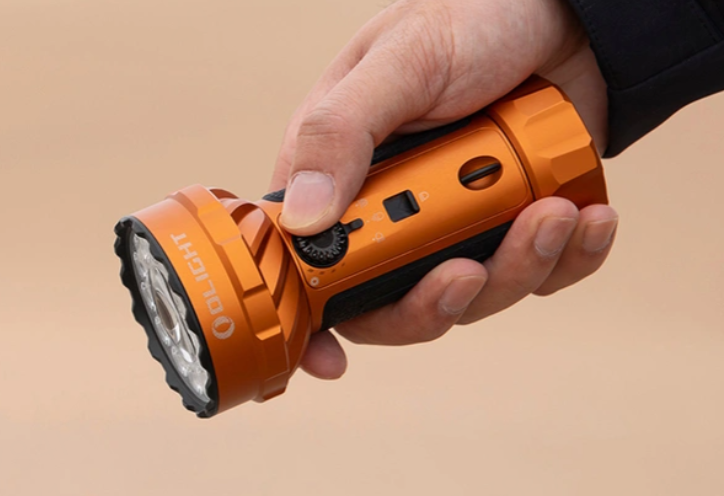
Modern battery technology has transformed emergency lighting from simple illumination into comprehensive power management. High-capacity, rechargeable lithium-ion cells (such as 21700 or customized multi-cell packs) hold their charge for months, providing hundreds or even thousands of lumens of reliable light instantly. High-performance compact lights paired with dedicated charging cases offer a superior alternative to manual cranking, maintaining readiness and offering robust backup power banks to keep vital devices alive during extended blackouts.
Rechargeable Power Bank Torch vs. Traditional Dynamo Light
The Ultimate UK Power Cut Torch Kit (Room-by-Room)
For comprehensive home preparedness, relying on a single flashlight is insufficient. A structured, room-by-room approach ensures safety across the entire household. This "Decentralised Lighting" strategy means that no matter where you are when the grid drops, a photon source is within arm's length. By placing specific types of torches in targeted zones, you remove the hazard of fumbling through dresser drawers or navigating dark stairs in pitch-black conditions.
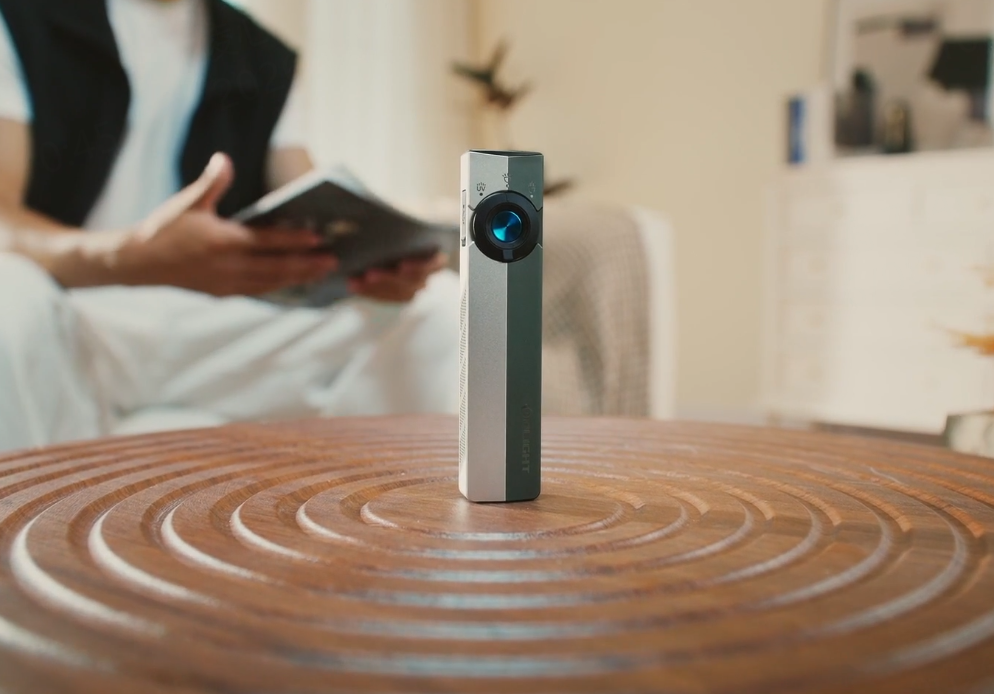
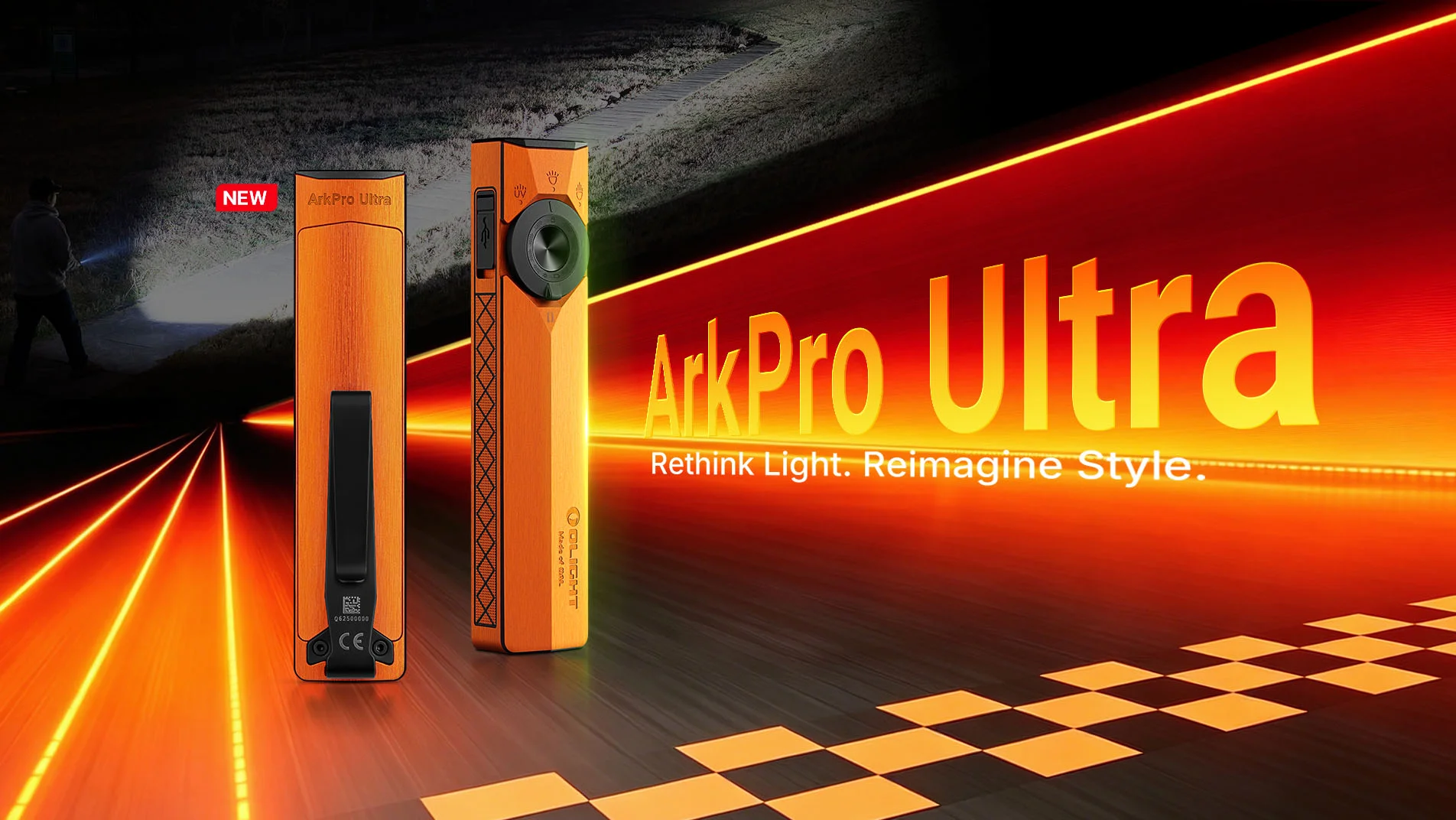
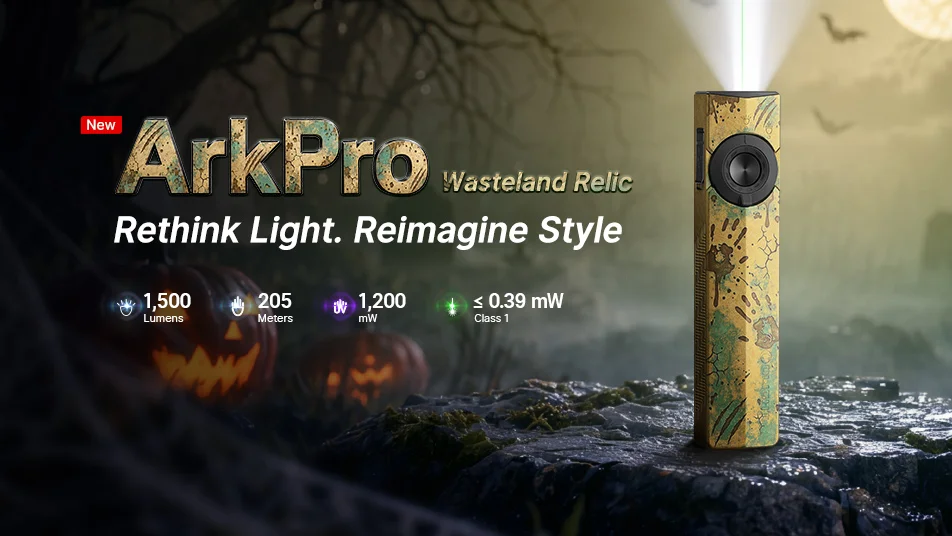
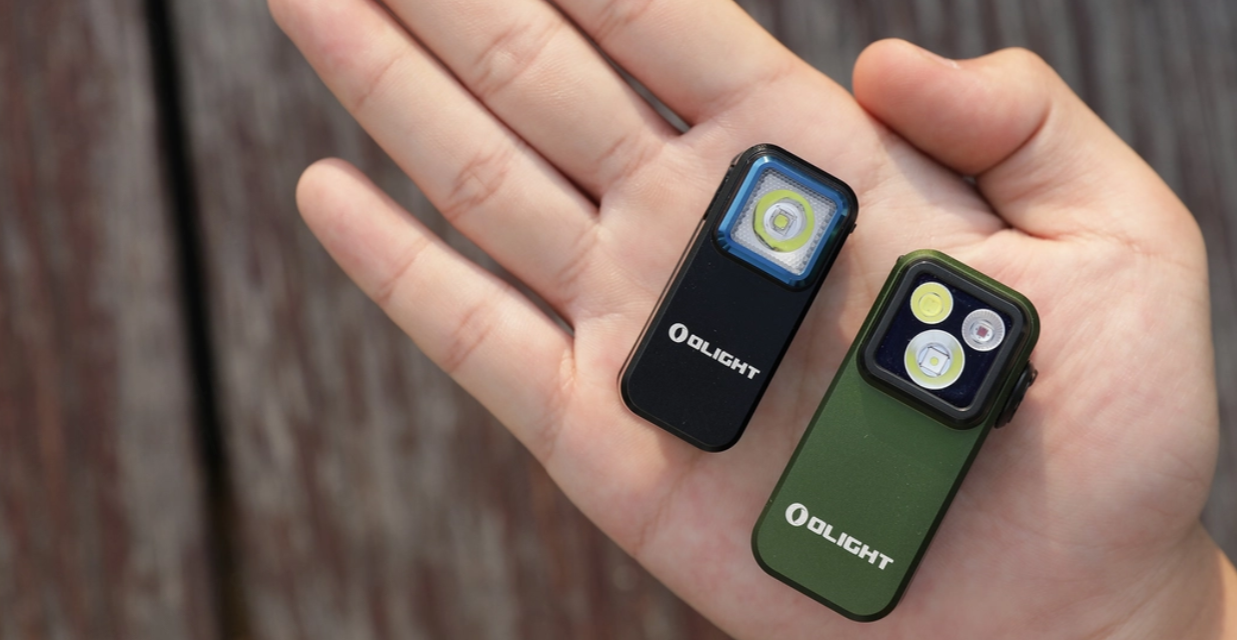
Kitchen: Reliable Everyday Torch. Hazards like sharp knives, hot cookware, and gas appliances make the kitchen a priority zone during a power cut. The ArkPro EDC Torch provides a powerful flat profile that won't roll off wet countertops, and its additional UV lighting functions assist in identifying leaks or specialized inspection tasks. Bedroom: Bedside Compact Light. Navigate the room without waking sleeping children or partners by utilizing a ultra-low 0.5-lumen moonlight mode, preserving your eyes' natural dark adaptation. Garage/Shed: High-Lumen Search Light. Outdoor utility spaces require heavy-duty performance. High-intensity searchlights feature a highly focused spotlight beam capable of cutting through driving winter rain, dense fog, or dark foliage to inspect external storm damage, check breaker boxes, or secure property perimeters.
Safety Torch Standards to Look For
Professional-grade emergency preparedness requires gear that meets global industrial standards. Look beyond the marketing claims on the box. In the UK, where coastal storms and inland downpours are increasingly aggressive, your safety equipment must carry verified certifications. IPX8 Standard ensures absolute protection against continuous submersion in water down to 2 metres, guaranteeing that a dropped torch in a flooded cellar or a deep puddle remains fully operational. Furthermore, the ANSI FL1 Impact Standard guarantees the light remains functional after multiple drops onto hard concrete from a height of at least 1 to 2 metres—a common occurrence during the fumbling confusion of a midnight blackout.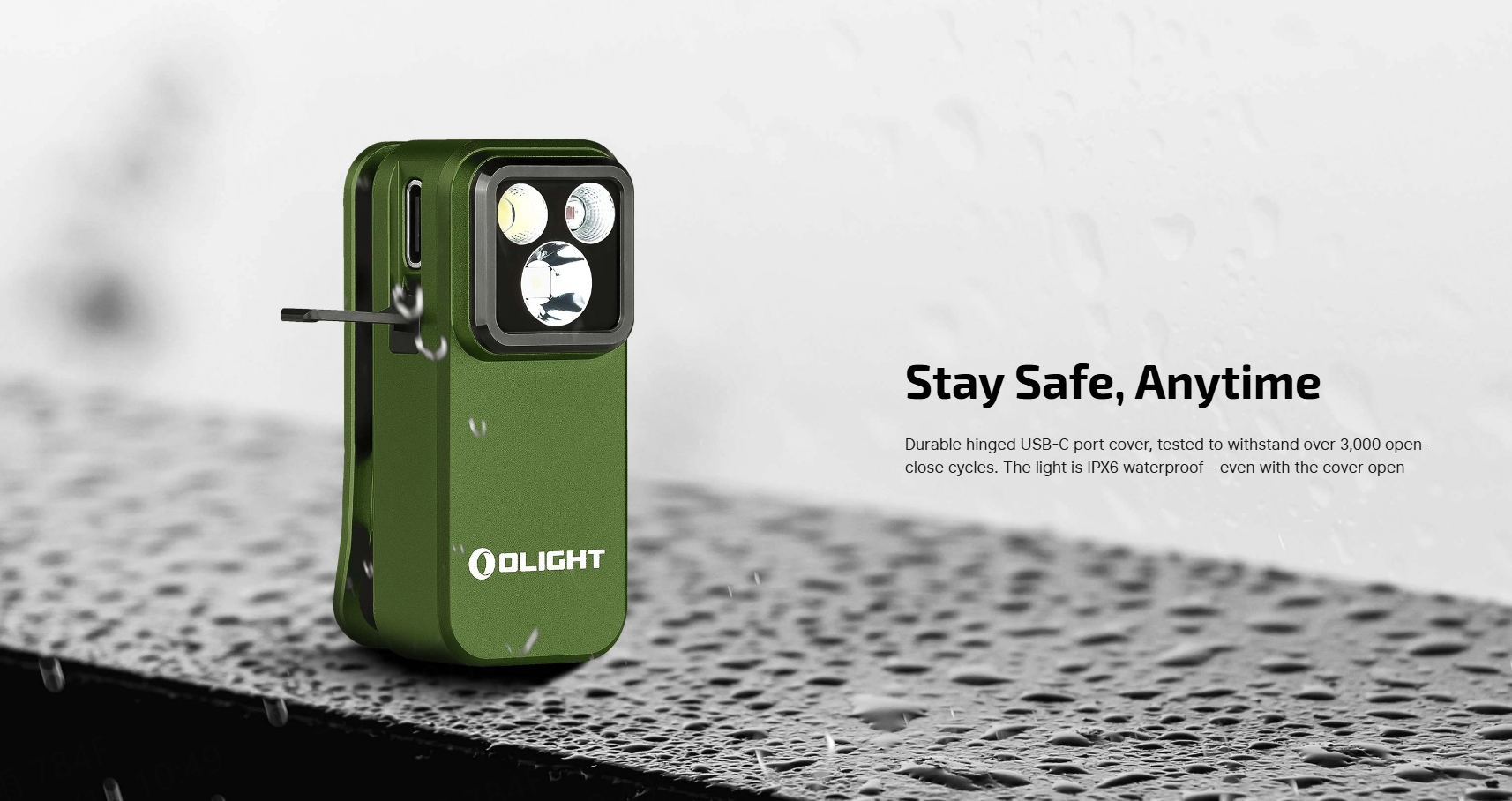
Furthermore, pay close attention to the Colour-Rendering Index (CRI). Standard low-end LEDs often emit a harsh, cold bluish light that washes out natural colors, making spatial navigation difficult. High-CRI emitters (CRI 90+) allow you to accurately distinguish between red, green, and blue wires in a home junction box, which is a life-safety requirement during emergency electrical troubleshooting. Understanding these certifications guarantees that you buy a tool designed for survival rather than a cheap novelty toy.
Technical FAQ
How Long Should a Wind-Up Torch Last Between Cranks?
Efficiency is everything. On average, one minute of steady winding (at approx. 120 RPM) yields 10 to 15 minutes of low-intensity light on high-quality models. Cheap, budget dynamos often yield less than 3 minutes, making them physically exhausting for little return. Additionally, higher brightness levels exponentially reduce this ratio, meaning a 50-lumen output could drain the capacitor in under a minute.
Can I Trust an Old Dynamo Torch After Years of Neglect?
No. NiMH batteries used in many dynamo lights will experience "Deep Discharge" if left uncharged for years, permanently damaging the internal chemistry and ruinous storage capacity. Over time, the internal seal may also degrade, leading to battery acid leakage which destroys the circuit board. Test and cycle your backups every 6 months to ensure the internal chemistry remains viable for a real emergency.