TL;DR:
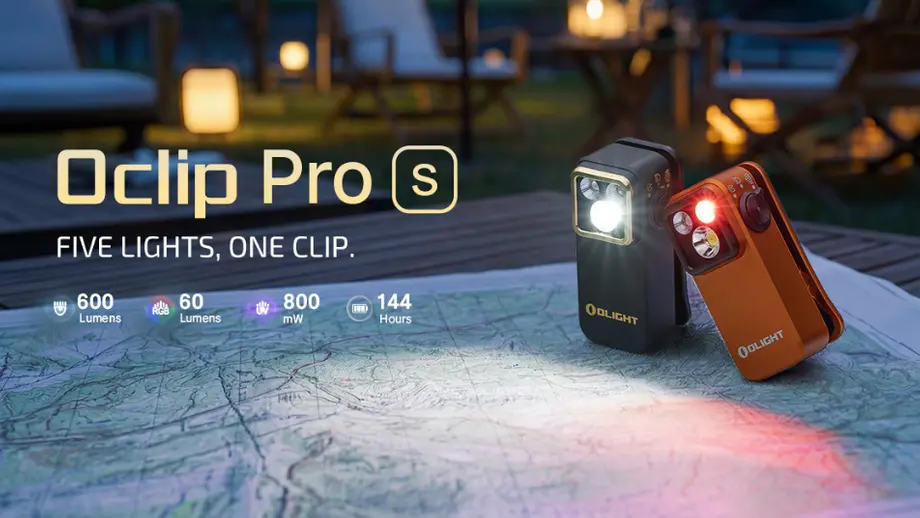
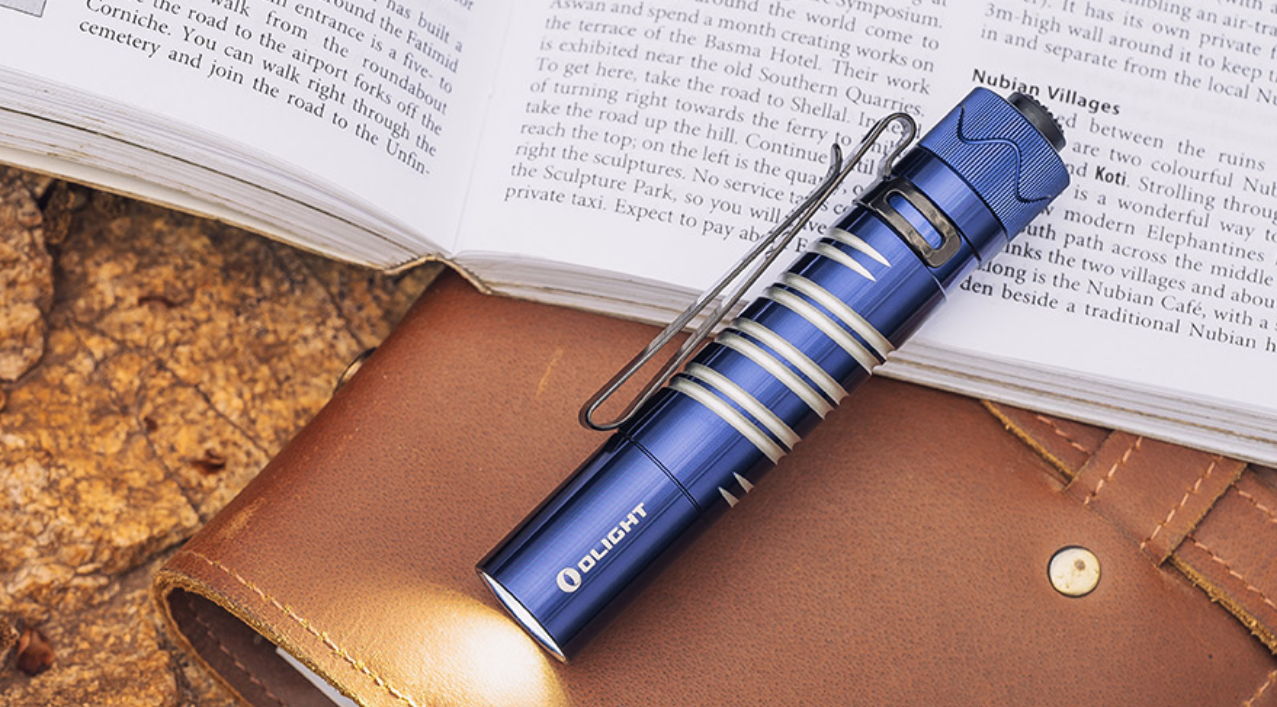
Navigating the British winter requires a high-performance dog walking torch to counter early sunsets. This 2026 technical guide reviews the best UK dog walking lights, featuring the Olight Oclip Pro S and Perun 3 Mini. We analyze hands-free head torches, biological red light advantages for canine vision, and the "See and Be Seen" safety rule. Ensure absolute situational dominance on muddy trails and rural lanes with our expert analysis of IPX8 waterproof illumination and USB-C rechargeable power systems.
M Table of Contents
Why UK Dog Walkers Need Proper Lighting (5pm Sunset Is Real)
Winter in the United Kingdom brings extremely short daylight hours, with sunsets regularly occurring before 5:00 PM from November through February. For many residents, the sunset can arrive as early as 3:45 PM in the northern reaches of Scotland. For most working dog owners, this means the primary daily walks—the long morning exercise and the essential evening wind-down—happen in near or complete darkness. Relying on inadequate lighting on rural roads, public footpaths, and wooded trails presents serious safety risks that cannot be mitigated by standard urban infrastructure. Potholes, exposed tree roots, hidden patches of black ice, and deep mud can easily cause slips, sprains, or worse if you are navigating blindly in the dark.
Furthermore, rural areas and suburban green spaces lack the ambient spill of sodium streetlights. When you step off the paved pavement and onto a public bridleway, you enter an environment with zero light compensation. Without a reliable dog walking torch, it is virtually impossible to keep track of your dog's movements, monitor their interactions with other animals, or successfully locate and clean up waste. A high-quality light source is not just a luxury; it is an essential piece of utility gear that transforms a stressful, pitch-black chore into a relaxing, safe, and controlled evening stroll.
The "See and Be Seen" Rule of Winter Dog Walking
Professional dog handlers and rescue organizations adhere to a strict, dual-spectrum safety protocol during the dark winter months. When choosing a dog walking torch, you must actively address two distinct technical requirements to ensure full situational protection:
- The "See" Factor: You need enough downward and forward light to spot immediate hazards such as tree roots, deep mud, hidden ice, discarded hazardous food, or aggressive wildlife. A light with a wide, uniform beam angle is vastly superior here, as it provides "Spatial Volume," allowing you to illuminate the ground near your feet and your dog’s immediate vicinity simultaneously without constant, nauseating head movement.
- The "Be Seen" Factor: On narrow country lanes without pavements, oncoming drivers must spot you and your canine companion from a safe distance. High-intensity illumination creates what experts call a "Photonic Barrier" that alerts motorists far in advance, giving them ample time to slow down and provide a wider berth on wet, leaf-strewn, or slippery country roads.
The Risks of Smartphone Flashlights
Many casual dog owners default to using their smartphone flashlight as a quick fix. However, this practice is highly inefficient and physically risky for several critical reasons. First, smartphones lack specialized optical lenses, meaning they cannot project a structured beam beyond 5 meters, resulting in a flat, blinding glare that fades rapidly into pitch black. Second, their flat, slippery glass bodies limit physical control if your dog suddenly pulls on the lead, increasing the risk of dropping and shattering an expensive device. Most importantly, freezing winter temperatures rapidly cause "Voltage Sag" in lithium-ion phone batteries, triggering sudden shutdowns and leaving you completely stranded without illumination or a communication device in an emergency.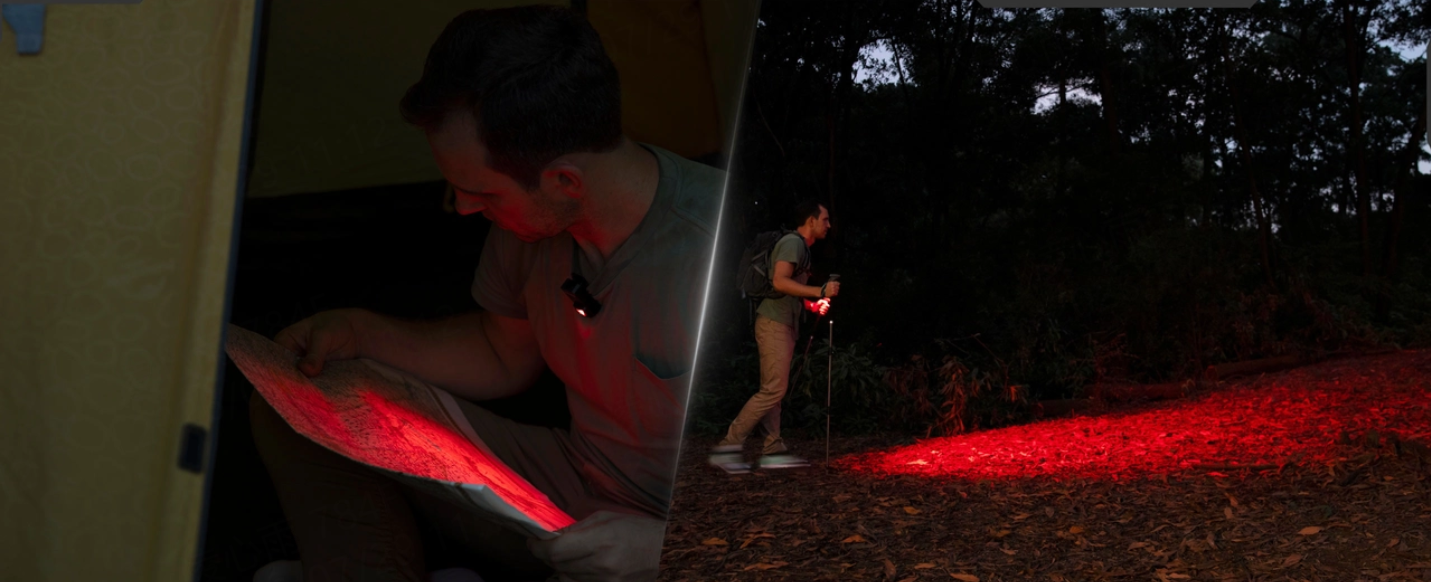
3 Types of Dog Walking Torch: Which Style Suits You?
Dog walking environments vary immensely throughout the UK, meaning a single style of light does not fit every owner. Understanding the mechanics, pros, and cons of the three primary torch configurations helps you make an informed decision based on your specific daily route profile and comfort preferences.
The Head Torch
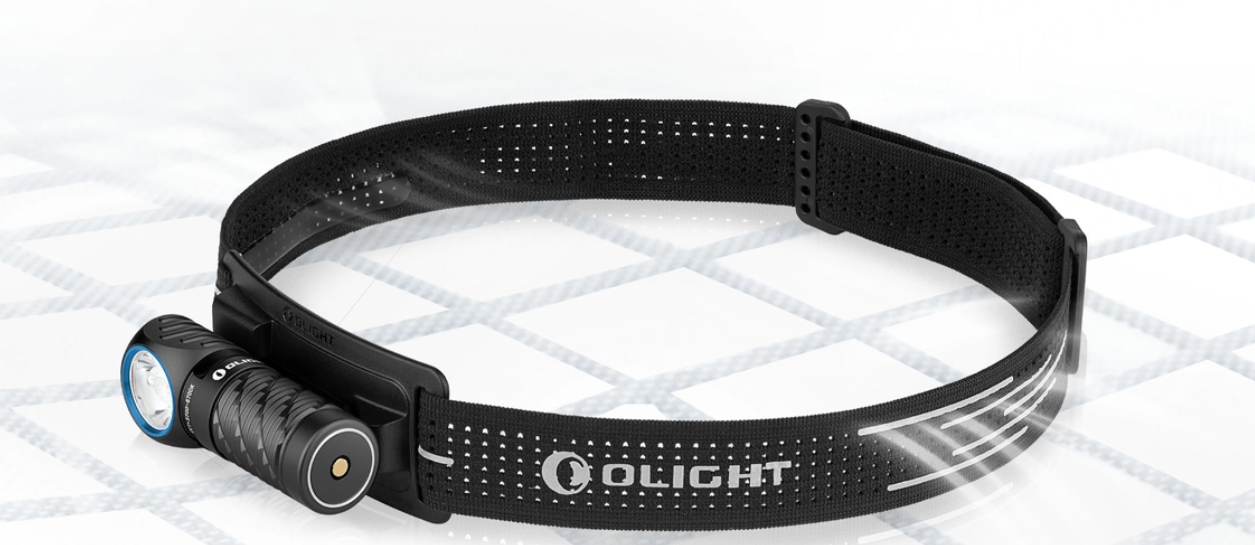
Best for rugged trail walks. Positions the beam directly in your natural line of sight, keeping your hands completely free to manage retractable leads, clickers, and waste bags. Modern lightweight designs prevent head fatigue over long distances.
The Body/Chest Torch
Best for misty country lanes. Projects a steady, low-slung beam directly onto the ground, minimizing airborne mist backscatter and reducing glare in typical foggy British weather while maintaining a stable center of gravity.
The Clip-On Torch
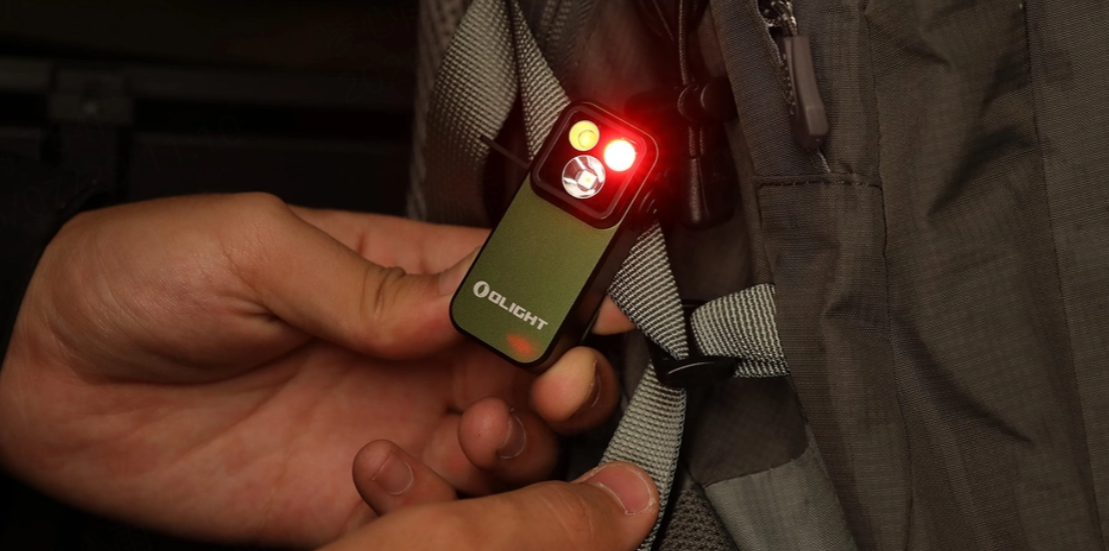
Best for versatile utility. Easily attaches to heavy winter coats, backpacks, dog harnesses, or leads. It works as a highly reliable secondary backup beacon, ensuring multi-directional visibility in high-traffic urban areas.
When choosing between these styles, consider your usual path. Urban walkers who navigate well-paved parks may only need a lightweight clip-on light to remain visible to others. In contrast, those walking on unlit public footpaths or traversing dense forests will benefit immensely from a powerful head torch or a combined chest-and-handheld setup. By combining different formats, you can create an optimal, overlapping lighting system that eliminates blind spots entirely.
The Best Dog Walking Torches UK 2026
Why Red Light Matters for Dog Walking: Biological Superiority
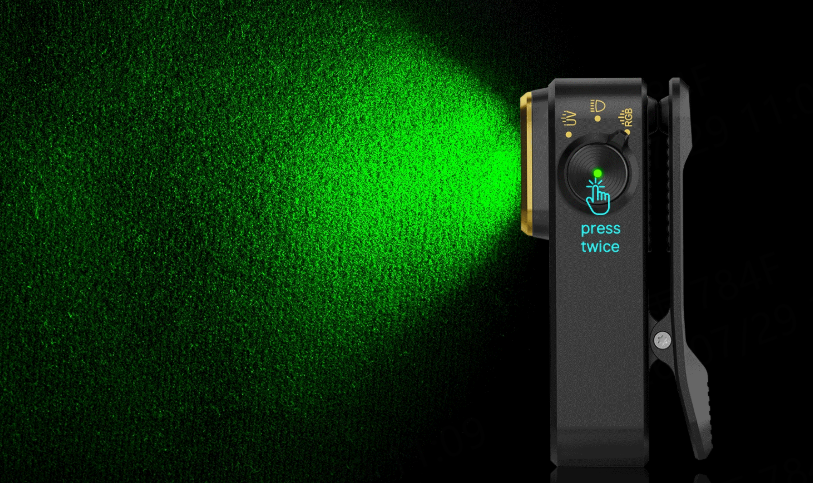
Many high-end lighting units now integrate a dedicated secondary red LED. Understanding the biological and optical significance of this specific wavelength (630-660nm) significantly improves your night walking experience. When your eyes adjust to complete darkness, they produce a chemical called rhodopsin in the retina's rod cells, which is highly sensitive to light. A sudden burst of high-lumen white light immediately breaks down this chemical, taking your eyes up to 30 minutes to fully readapt to low-light conditions. Red light operates at a wavelength that does not disrupt your scotopic vision, letting you read maps, check trail routes, or look for waste bags while keeping your peripheral situational awareness completely intact.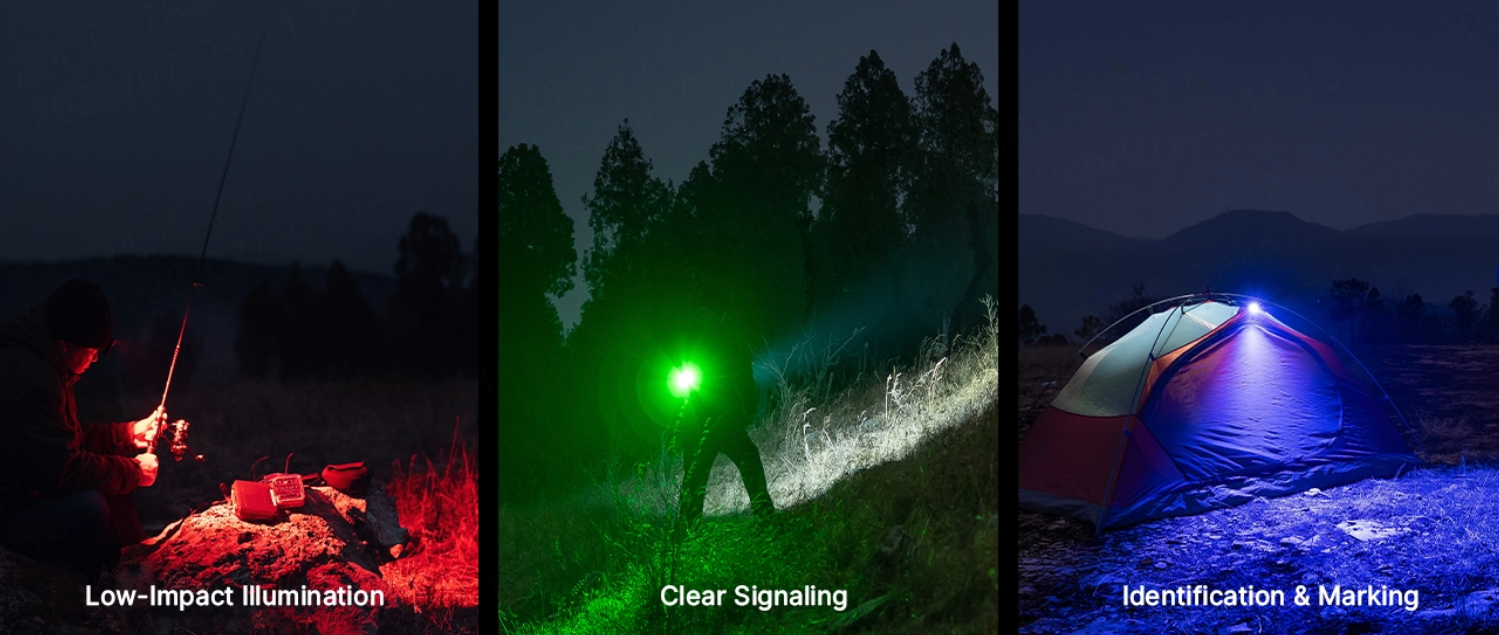
Furthermore, red light is kinder to your dog's visual anatomy. Dogs possess a highly reflective layer behind the retina called the tapetum lucidum, which amplifies ambient light by reflecting it back through the photoreceptors, giving them superior natural night vision. Shining a high-power white LED beam directly into your dog's face causes intense glare, temporary blindness, and ocular discomfort. Utilizing a low-intensity, non-glare red light provides enough illumination for close-up monitoring without causing sensory overload or ocular stress to your canine companion, ensuring a calm, stress-free walk for everyone.
Additionally, red light has practical benefits in typical British winter weather. It does not attract swarms of winter insects or create the harsh backscatter glare that white light produces in dense mist, fog, or heavy rain. When white light hits water droplets, it scatters intensely, creating a blinding wall of white directly in front of your eyes. Red light passes through atmospheric moisture much more cleanly, preserving your depth perception and allowing you to see forward far more effectively during misty trail hikes or damp canal walks.
Attaching a Torch to Your Dog: Safety & Legal Tips
Illuminating yourself is only half the battle; your dog must also be clearly visible to drivers, cyclists, and other pedestrians. Under the UK's Highway Code, pedestrians are strongly encouraged to be as visible as possible in dark rural areas, and this responsibility extends directly to our pets. Using lightweight, highly visible clip lights on your dog's gear ensures they are visible from all 360-degree angles, preventing accidental collisions and keeping your pet safe in any environment.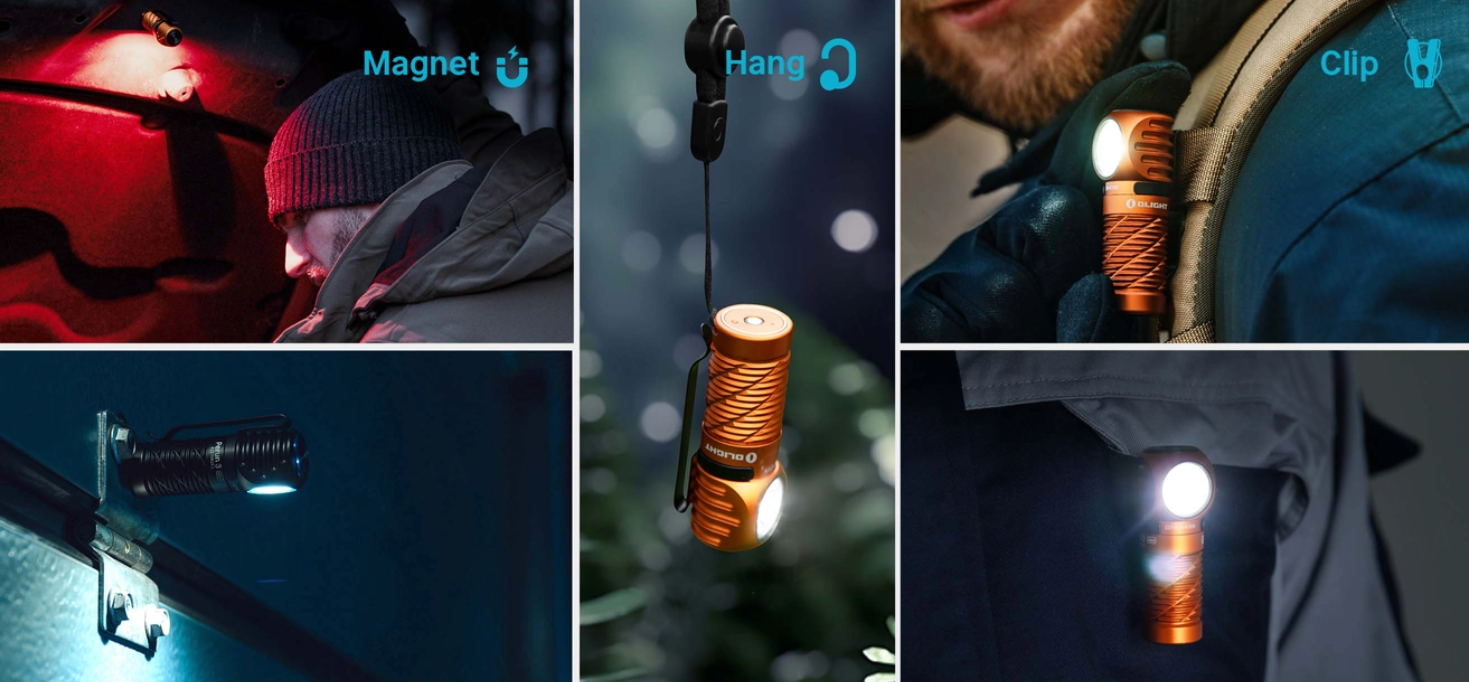
- Collar Placement: Clip a small, lightweight light to the collar D-ring, pointing downward to illuminate the ground under your dog's chest without shining directly into their eyes.
- Harness Attachment: Place a sturdy clip light securely on the top handle or spine area of the harness for excellent vertical silhouette visibility from a distance.
- Lead Integration: Attaching bright marker lights directly to the lead prevents "invisible barrier" accidents, where fast-moving cyclists or joggers fail to notice the lead stretched between you and your dog.
When outfitting your dog, always avoid loose, dangling cords or heavy accessories that can easily snag on thick brambles or branches, trapping your dog in the dark. Choose lights with smooth, rounded, and compact casings to prevent skin irritation or rubbing during long winter walks. Most importantly, do not attach high-output white light torches (anything over 50 lumens) directly to your dog’s collar facing forward, as this severely impairs their natural tracking vision, causes anxiety, and blinds other walkers approaching on the same path.
It is also worth noting that in urban and suburban areas, clear dog lighting reduces the chance of dog theft and avoids disputes with other walkers. A well-lit dog signals to everyone that you are an attentive, responsible owner. It also allows you to keep an eye on what your dog is sniffing or chewing in the grass, helping you intervene instantly if they find discarded food or hazardous materials.
Dog Walking Torch FAQ
How Many Lumens Do I Need for Rural Dog Walks?
Suburban parks with basic path lighting require only 50 to 150 lumens. However, for dark woodland trails, 300 to 600 lumens of wide floodlight is highly recommended to spot terrain hazards like mud, puddles, and low branches. For completely unlit country roads and fields, having a light capable of 1,000+ lumens allows you to locate an off-lead dog quickly, scan distant tree lines, or identify livestock from a safe distance.
What's the Best Setup for Walking Two Dogs?
Walking multiple dogs requires complete, hands-free operation to ensure safety and control. A combination of the Perun 3 Mini head torch for path tracking and the Oclip Pro body-mounted light for stable, forward-facing illumination provides the ultimate fail-safe setup. This leaves both of your hands completely free for lead management, treat delivery, and cleaning up after your dogs without losing your light source.